
Super El Niño looms over California: Prepare for extreme rain and flood risks
California is bracing for a potential super El Niño, signaling extreme weather changes. Residents must prepare for both vital water replenishment and severe flooding dangers.
Blog Feature 161452586
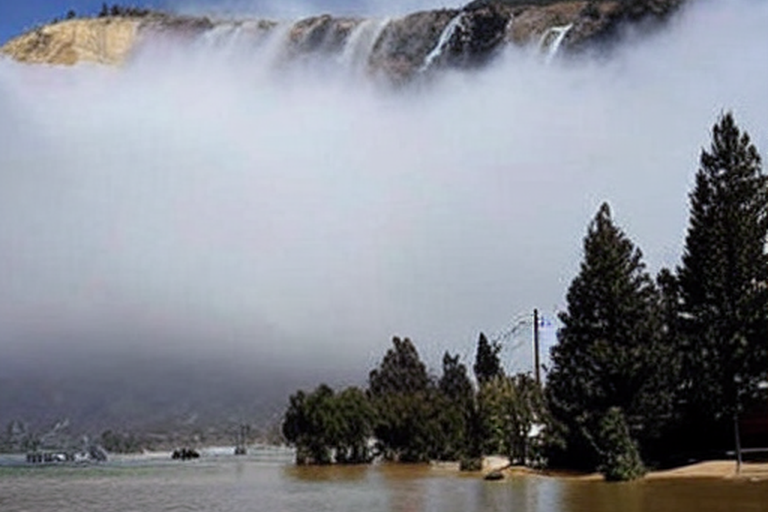
California residents are being urged to prepare for a potentially historic “super” El Niño event, which is expected to bring highly variable and extreme weather patterns across the state. This major climate shift necessitates proactive preparation for both severe flooding risks and potential water replenishment opportunities.
Meteorologists predict the super El Niño could significantly alter California’s climate profile over the coming months, impacting everything from rainfall totals to temperature stability. While the event holds promise for filling depleted reservoirs, the sudden influx of moisture also raises the threat of devastating flash floods and mudslides.
The variability of the weather makes preparation critical for homeowners and community planners alike. Experts are advising residents to view the coming months not just as a weather event, but as a comprehensive readiness challenge requiring immediate household planning.
“This isn’t a single forecast; it’s a window into a complex climate shift,” stated Dr. Elena Rodriguez, an atmospheric scientist at the Scripps Institution of Oceanography. “The sheer intensity of the potential rainfall means that preparedness needs to span from basic flood kit assembly to understanding local drainage patterns.”
Background context reveals that California has experienced prolonged periods of drought, leading to significantly depleted water infrastructure. Therefore, the potential for a major wet cycle has generated both relief and apprehension among the population.
Authorities are currently urging residents to assess their homes’ vulnerabilities, paying close attention to drainage systems, attic integrity, and crawl space risks. Local emergency management offices are emphasizing that preparation must be multifaceted, covering both the ‘wet’ and ‘dry’ scenarios.
Beyond immediate flood readiness, experts recommend focusing on long-term resilience. This includes securing property valuables against storm surge and having emergency communication plans in place for extended power outages.
“The biggest takeaway is redundancy,” said Michael Chen, a FEMA preparedness coordinator. “You need to plan for the water shortage that might follow the initial deluge, and you need to plan for the power grid failure that accompanies major storms. Having multiple sources of information and power is non-negotiable.”
As the climate system continues to track toward the West Coast, officials are advising communities to monitor local alerts and participate in neighborhood preparedness meetings. Understanding the specific risks associated with one’s geographical location—whether coastal, valley, or mountainous—is paramount to mitigating potential damage.
The scientific community remains vigilant, continuously monitoring ocean temperature patterns and atmospheric pressure systems. This ongoing surveillance ensures that residents and emergency services receive the most accurate, real-time guidance as the super El Niño system approaches the region.