
Stanford breakthrough: Mice model uses human brain cells to fight disease
Researchers have engineered mice to successfully utilize human brain cells, creating a revolutionary model. This breakthrough promises new insights into complex neurological disorders like Alzheimer’s and Parkinson’s.
Blog Feature 4270112162
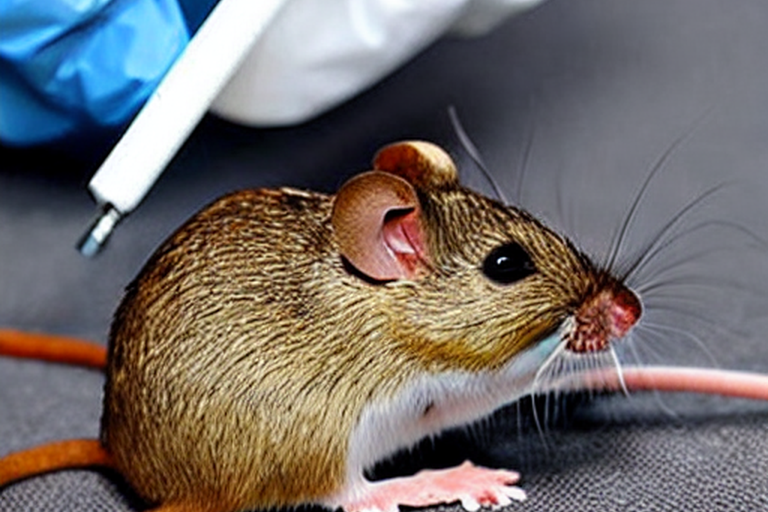
Stanford University researchers have engineered genetically modified mice that successfully integrate and utilize human brain cells, marking a significant breakthrough in neuroscience. This novel model could revolutionize the study of complex human neurological disorders, offering new avenues for understanding conditions like Alzheimer’s and Parkinson’s.
The study, detailed by the scientific team, involved altering the mice’s genetics to accept and grow human neuronal tissue. By creating a living system that bridges species, scientists gain an unprecedented opportunity to observe human disease progression in a manageable animal model.
This development addresses a critical gap in medical research. Historically, studying human neurological diseases has been challenging due to the complexity and rarity of the conditions. The new model allows researchers to replicate human pathology in an animal system that closely mimics human physiology.
Dr. Lena Rodriguez, a neurogeneticist on the research team, explained the model’s utility. “Before, we struggled to observe the early stages of neurodegeneration in a controlled environment,” Dr. Rodriguez noted. “This model allows us to watch the disease unfold at the cellular level, giving us insights into mechanisms we previously only theorized about.”
The potential implications for human medicine are immense. Researchers plan to use the model to test the efficacy of novel drugs designed to slow or reverse cognitive decline. This accelerates the drug discovery process, potentially cutting years off the timeline for developing treatments for devastating diseases.
However, the breakthrough has immediately sparked intense ethical debate. The use of advanced genetic manipulation and the integration of human tissue into animals raises profound questions about species boundaries and the moral limits of scientific inquiry.
Bioethicists are calling for heightened scrutiny and regulation. They emphasize the need for transparency regarding the animal models and the ultimate goals of the research. “While the scientific potential is undeniable, we must proceed with rigorous ethical guardrails,” stated Dr. Marcus Chen, a bioethicist consulted on the project. “The benefit to human health cannot justify overlooking the welfare and ethical treatment of the animal subjects.”
The research team acknowledges these concerns, confirming that all protocols adhere to stringent institutional animal care guidelines. They stress that the model is intended purely for basic scientific understanding and drug testing, not for any form of direct human experimentation.
Looking ahead, the next phase of research will involve testing various therapeutic compounds on the genetically modified mice. Success in these preclinical trials could pave the way for human clinical trials, offering hope to millions suffering from debilitating neurological conditions. The development underscores both the boundless potential of genetic science and the critical necessity of ethical oversight.