
Reno Wildfire Evacuations Reveal Climate Crisis Need for Tech
Tens of thousands evacuated as a massive wildfire sweeps Reno, Nevada. The crisis underscores the urgent need for advanced tech in prediction and warning systems.
Blog Feature 102890175
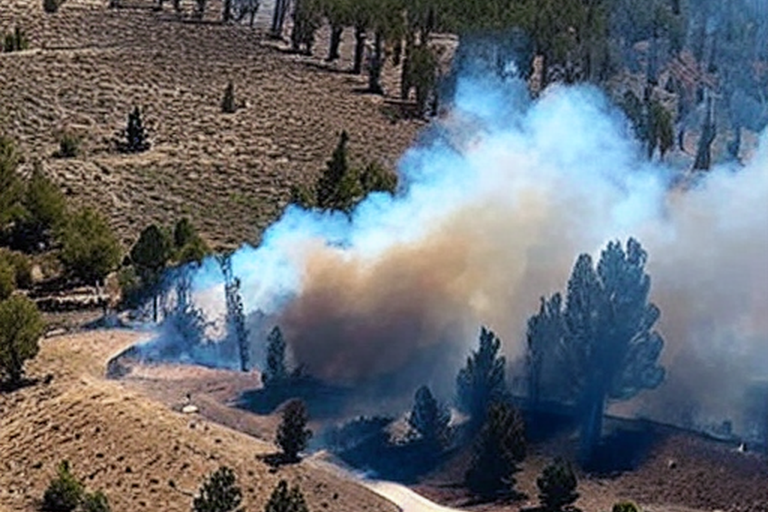
**Reno, Nevada –** Tens of thousands of people were forced to evacuate their homes this week after a fast-moving wildfire rapidly consumed large swaths of the Reno, Nevada area. The massive blaze, which officials linked to human activity, underscores the escalating and immediate dangers posed by climate-change-fueled extreme weather events.
The evacuation effort highlighted a critical gap between current disaster response capabilities and the increasing scale of climate-related crises. Emergency services struggled to keep pace with the fire’s rapid advance, leading to widespread alerts and massive community displacement.
The wildfire’s trajectory served as a stark reminder of the vulnerability of communities situated in arid, fire-prone regions. Experts warn that the frequency and intensity of such blazes are predicted to increase globally as climate patterns destabilize.
Current emergency preparedness relies heavily on traditional warning systems and on-the-ground resource deployment. However, the sheer scale of the Reno incident has prompted calls for a technological overhaul of how disaster zones are managed.
Advocates for climate resilience point specifically to the power of artificial intelligence and advanced data modeling. These technologies could provide predictive capabilities far beyond current seasonal forecasting.
“What we saw in Reno was a perfect illustration of the gap between historical response models and the reality of modern climate volatility,” said Dr. Lena Sharma, a climate modeling specialist at the University of Nevada. “We need AI that can ingest real-time data from satellite imagery, atmospheric conditions, and topography simultaneously to predict fire spread minutes, not hours, in advance.”
Such predictive models could significantly improve resource allocation and warning precision. By utilizing machine learning, utility companies could also monitor smart grid infrastructure to predict which areas are most vulnerable to electrical failures caused by the fire’s path.
The deployment of advanced technology is seen as crucial for future mitigation efforts. Satellite analysis can track the subtle changes in vegetation moisture and temperature, allowing preemptive intervention before a blaze reaches critical mass.
“The future of disaster response must be proactive, not reactive,” stated Marcus Chen, a director at the National Infrastructure Resilience Council. “Integrating predictive AI with resource mapping allows us to pre-position assets—water, personnel, and equipment—to the areas most likely to be impacted, saving lives before the sirens even sound.”
Experts suggest that integrating these advanced systems requires significant federal investment and standardization across state and local jurisdictions. The Reno event is already fueling a national debate about how quickly infrastructure must adapt to a hotter, more unpredictable climate.
The goal is to move beyond simply responding to the disaster and towards building resilient communities that can anticipate and withstand the next inevitable climate shock.