
Oz on MMR: Expert Reaffirms Vaccine Safety Amid Misinformation
Dr. Mehmet Oz addressed vaccine safety, confirming the MMR vaccine is not lethal. His comments reinforce the vital role of experts in countering public health misinformation.
Blog Feature 1962898177
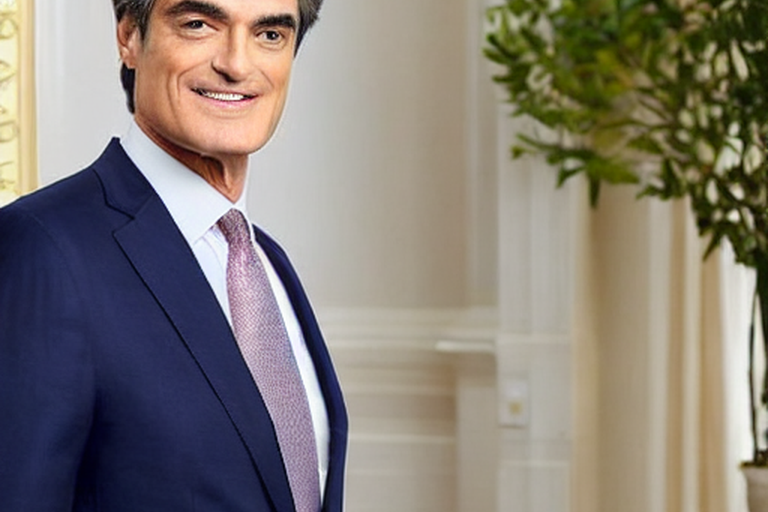
Dr. Mehmet Oz confirmed on Tuesday that the MMR vaccine is “not a lethal vaccine,” addressing a wave of misinformation that has surged into public health discourse. Speaking out amid political discussions surrounding immunization, the celebrity physician sought to reinforce the established scientific consensus regarding vaccine safety.
Oz’s comments directly refuted claims that the highly publicized MMR vaccine—which protects against measles, mumps, and rubella—poses a fatal risk to recipients. His remarks underscore the ongoing struggle to maintain public trust in medical science amidst intense political polarization.
The statement comes as vaccine safety remains a contentious topic, particularly following remarks from various political figures that have fueled vaccine hesitancy. Medical experts argue that such rhetoric creates a dangerous environment, muddying the waters between scientific fact and partisan rhetoric.
The challenge, according to public health experts, is not merely providing information, but successfully communicating that information across deeply divided political lines. “The primary hurdle isn’t always the science; it’s the communication of the science,” said Dr. Anya Sharma, a public health communication specialist. “When medical facts are packaged as political talking points, the public often loses the ability to distinguish between the two.”
Oz’s intervention highlights the critical role that established medical authorities must play in countering misinformation. The discourse surrounding immunization frequently moves beyond individual health choices and becomes a major political flashpoint.
Background context shows that misinformation regarding vaccine safety has been a persistent global challenge. Despite overwhelming data proving the safety and efficacy of vaccines, anti-vaccine narratives continue to circulate through social media and partisan media outlets.
The incident illustrates the complex intersection of science and politics. Experts are now grappling with how to deliver clear, consistent messaging to diverse populations while simultaneously navigating a political landscape that often weaponizes medical data.
Dr. Ethan Cole, a virologist at Columbia University, noted the necessity of preemptive public education. “We must treat vaccine hesitancy not just as a medical issue, but as a crisis of trust,” Cole explained. “The scientific community needs to adopt a more proactive communication strategy to rebuild confidence.”
Moving forward, public health officials are emphasizing the need for consistent messaging that is accessible to non-scientific audiences. The focus remains on strengthening the foundational pillars of scientific consensus, ensuring that medical facts are presented as an objective body of knowledge, separate from political debate. This effort is crucial for maintaining herd immunity and safeguarding public health initiatives worldwide.