
Volcano Eruption Cripples Indonesian Travel; Airports Closed
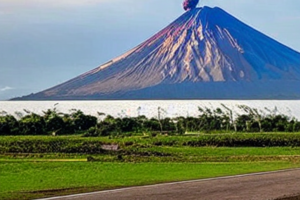
The Anak Krakatau eruption has caused major disruption across Indonesia. Multiple airports are closed, leading to flight cancellations and urgent safety warnings for locals.
Blog Feature 4222755544
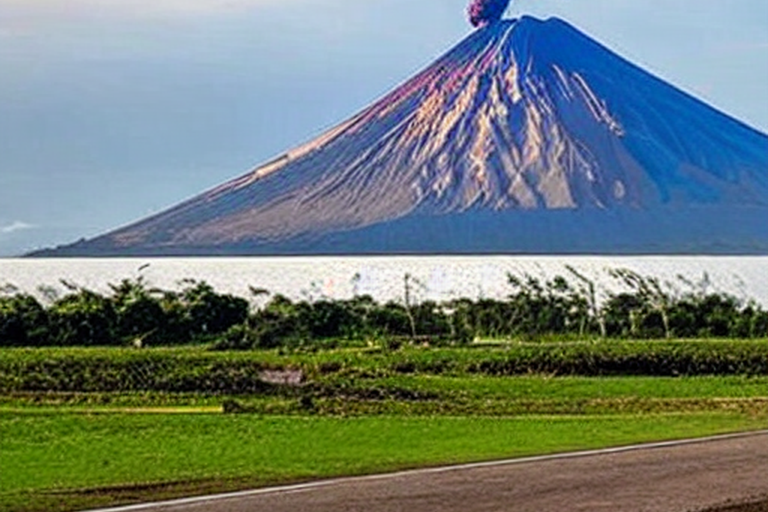
Anak Krakatau volcano in Indonesia erupted, causing widespread air travel disruptions and forcing the cancellation of flights across the archipelago. The volcanic activity, which began causing significant upheaval in the region, has grounded operations at at least eight major Indonesian airports, leaving thousands stranded.
The eruption, which has been monitored by geological agencies, has created massive logistical challenges for the local population and regional travel networks. Authorities have issued safety warnings, advising residents and travelers to avoid areas near the coast and the volcano’s immediate vicinity.
The immediate impact has been felt most acutely by the aviation sector. Multiple international and domestic carriers have suspended services as a precaution against ash plumes and unstable air conditions. Travel experts warn that restoration of normal flight schedules will be a complex, multi-day process.
Beyond general tourism, the disruption has created a severe bottleneck for specialized regional travel, particularly impacting athletic and professional sports movements. Many athletes and coaches relying on predictable air routes to training camps or competitions across Indonesia are currently unable to move.
“The cancellation of flights is not just an inconvenience; it is a major operational crisis for any team planning movement,” said Sarah Chen, a sports logistics coordinator for a regional athletic federation. “We are seeing scheduled training camps and competition movements ground to a halt, requiring immediate and expensive last-minute rerouting.”
The Anak Krakatau volcano is a highly active site, part of the Sunda Strait, which separates the Indonesian islands of Java and Sumatra. Geological experts have been closely monitoring the magnitude and trajectory of the eruptions.
The current state involves a mix of heightened safety measures and economic fallout. While rescue and cleanup operations are underway, the focus remains on mitigating further danger from the volatile volcanic environment.
A local transportation official, Benny Setiawan, emphasized the gravity of the situation, stating, “Our priority is the safety of the people. We cannot risk air travel until the plumes are fully understood and the air quality is deemed stable by experts.”
Looking ahead, international travel advisories remain in place, and authorities are coordinating with global carriers to establish alternative, safer flight corridors. Recovery efforts are expected to proceed in stages, prioritizing essential travel and emergency services before gradually reopening routes for the broader public.
The situation underscores the fragile relationship between natural disasters and modern global infrastructure, particularly how sensitive industries like sports and tourism are to geological instability. Authorities are continuously updating travel advisories, urging patience and adherence to local safety mandates as the volatility of the Anak Krakatau volcano persists.