
Tiger Woods Pleads No Contest to DUI; Faces Five-Year License Suspension
Golf star Tiger Woods pleaded no contest to a reckless driving charge in Florida. The plea agreement mandates a severe five-year suspension of his driver’s license.
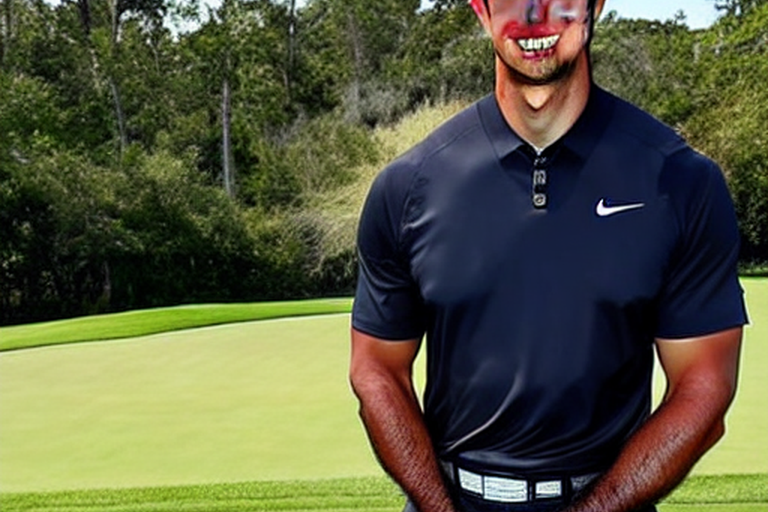
Blog Feature 4118847300
Tiger Woods pleaded no contest to a reckless driving charge related to a recent DUI arrest in Florida, resulting in a mandatory five-year suspension of his driver’s license. The plea marks a severe personal consequence for the global golf star, highlighting the legal ramifications of his actions.
Woods’ decision comes after the Florida incident, where authorities charged him with driving under the influence. As part of the plea agreement, Woods accepted the charges, avoiding a trial that would have taken place in the state court system.
The plea agreement mandates significant penalties, including the five-year driving prohibition. Experts note that the suspension extends well beyond typical misdemeanor charges, underscoring the gravity of the violation.
The incident has intensified the ongoing public scrutiny surrounding Woods. As one sports law attorney, who requested anonymity due to the ongoing legal process, stated, “When a figure of Woods’ magnitude is involved, the legal consequences are magnified. It speaks to the intense public spotlight he operates under.”
The revelation has shifted the conversation from athletic performance to personal accountability. Woods, who has navigated multiple career-threatening injuries and public controversies, has struggled with maintaining a consistent public narrative.
This latest legal setback forces a broader discussion about the burden of celebrity. The sustained pressure to maintain a global lifestyle—which includes travel, endorsements, and constant public appearances—is often cited as a hidden cost of fame.
Industry analysts suggest that the spotlight Woods operates under is relentless. “The expectations placed on a superstar athlete are immense, and that pressure can take a profound toll on personal life choices,” said Dr. Eleanor Vance, a sociologist specializing in public figures.
Woods’ career has been characterized by cycles of triumph and public fallibility. His recent struggles have prompted fans and media alike to question the sustainability of the modern celebrity sports model.
Moving forward, the focus shifts to Woods’ ability to manage his professional life while adhering to the severe legal restrictions. The suspension significantly impacts his ability to travel freely or maintain a routine that requires personal mobility.
The situation prompts observers to examine the difficult path of reinvention for athletic icons. Woods must now navigate a career that requires intense focus and physical recovery, all while dealing with the lingering shadow of a high-profile scandal.
The saga serves as a stark reminder that the pedestal of global stardom does not insulate individuals from the legal and personal consequences of their actions. Woods’ plea signals a forced reckoning with the private realities behind the public mythology.