
US Strikes Tankers in Hormuz, Escalating Tensions with Iran
Military action in the Strait of Hormuz has sharply raised geopolitical tensions after the US struck oil tankers. Iran claims the strikes are retaliation, warning of a potential regional conflict.
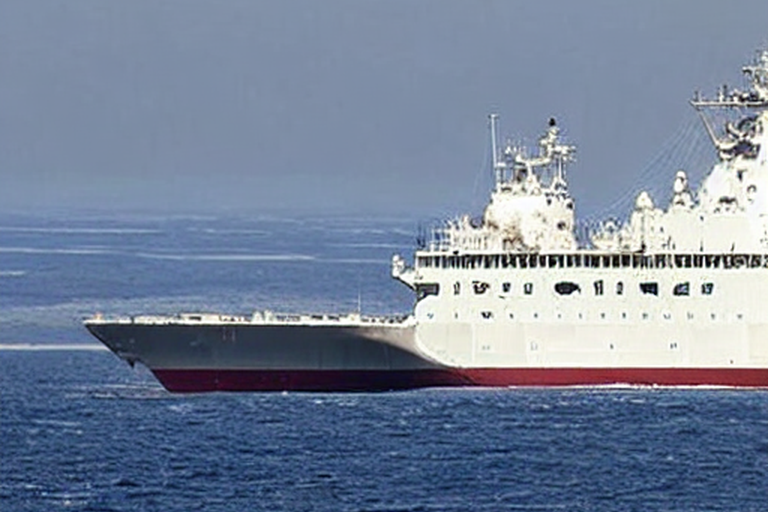
Blog Feature 3157666396
**US Strikes Oil Tankers Near Iran, Raising Alarm Over Global Maritime Stability**
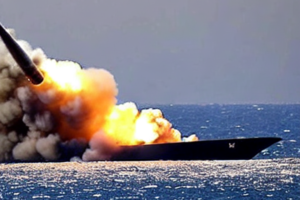
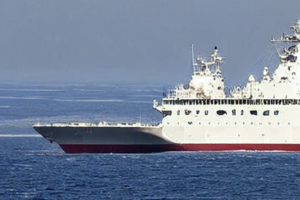
The United States conducted military strikes against three Iranian-affiliated oil tankers in the Strait of Hormuz, following its claim that U.S. warships had been targeted by Iranian forces. The incident, which occurred in a major global shipping artery, has significantly escalated tensions between Washington and Tehran, raising immediate concerns about maritime law and global energy supply chains.
Iran’s state-run media reported the strikes as a direct act of retaliation against perceived American provocations. The Strait of Hormuz is one of the world’s most critical chokepoints, through which a substantial portion of the world’s seaborne oil passes. This vital passage makes the area a flashpoint of immense geopolitical and economic significance.
The confrontation follows a pattern of escalating tensions in the Persian Gulf. The U.S. military alleged that the tankers were involved in hostile actions against U.S. maritime assets. However, neither side has released comprehensive evidence detailing the alleged targeting or the nature of the strikes.
International experts are warning that the incident poses a profound risk to global trade. “The actions taken, regardless of the immediate justification, challenge established norms of international maritime law,” said Dr. Evelyn Reed, a professor of international law at Georgetown University. “Any sustained conflict in this choke point could severely restrict global energy flow and cause massive economic repercussions.”
Market reactions were swift. Futures prices for oil saw immediate volatility, reflecting investor anxiety over potential supply disruptions. Major global powers, including China and India, have expressed diplomatic concerns, urging both Tehran and Washington to exercise restraint and de-escalate the conflict.
The incident places immense pressure on international bodies to mediate a resolution. Experts point to the need for clear adherence to the law of the sea to prevent miscalculation. “The risk here is not just a localized skirmish, but a systemic disruption to global stability,” commented David Chen, a senior energy analyst at the International Commodities Group.
The coming days will determine whether this confrontation remains a limited, retaliatory exchange or spirals into a broader regional conflict. Global shipping companies and insurance underwriters are already reassessing risk profiles, signaling a period of heightened uncertainty for maritime commerce in the Arabian Gulf.