
MIA Cargo Plane Crash Kills at Least Five; Investigation Underway
A catastrophic cargo plane crash at Miami International Airport killed at least five people. Authorities launched major investigations into the runway overrun, disrupting local life.
Blog Feature 1150366829
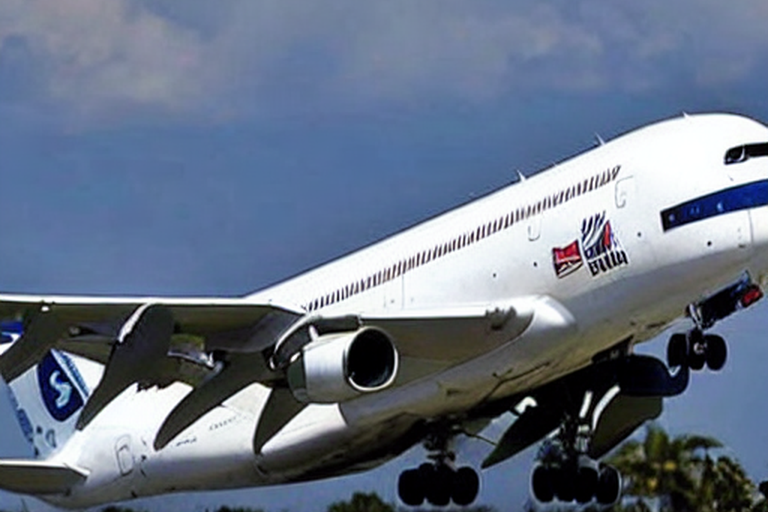
A cargo plane overran a runway at Miami International Airport (MIA) yesterday, resulting in a catastrophic incident that killed at least five people. Investigations are currently underway to determine the precise cause of the accident, which severely disrupted operations at the major international hub.
The crash prompted a massive emergency response involving local authorities and airport personnel. Initial reports indicated that the plane lost control after overshooting the runway, leading to significant structural damage and multiple casualties. Emergency services were mobilized immediately, managing a complex scene of wreckage and injured individuals.
Investigators from the NTSB and FAA are scrutinizing multiple potential causes, including mechanical failure, pilot error, and external factors. Airport officials confirmed that the scope of the investigation is comprehensive, aiming to prevent any future recurrence of such an event.
While the technical investigation focuses on the mechanics of the crash, the incident has cast a severe shadow over the psychological well-being of those who responded to the scene. First responders, medical staff, and airport workers have been exposed to a traumatic mass casualty event.
The immediate aftermath has seen mental health professionals coordinating support efforts at MIA. Experts are emphasizing the critical need for psychological first aid following such a major disaster.
“The sheer scale of the trauma is overwhelming for everyone involved, from the first EMT to the cleanup crew,” said Dr. Amelia Reyes, a trauma psychologist working with emergency services. “We are seeing signs of acute stress and burnout that require immediate, structured intervention.”
Support resources are being established on-site for all personnel involved in the cleanup and investigation. These services are designed to help process the shock and stress associated with high-stakes, life-or-death scenarios.
The emotional toll extends to witnesses and the broader airport community. Staff who work in highly stressful environments, such as air traffic control and emergency operations, are particularly vulnerable.
“It’s not just about the incident itself; it’s the cumulative stress of being on standby for major disasters,” stated Captain Marcus Chen, a veteran airport security chief. “We need systemic changes in how we provide mental health resources, moving from reactive care to proactive support.”
Authorities have pledged to review current staffing levels and psychological support protocols across all major airport facilities. The goal is to build a more resilient infrastructure that prioritizes the human element alongside operational safety.
The investigation is expected to continue for weeks, with experts analyzing flight data recorders and debris. In the meantime, the focus remains on stabilizing the community and ensuring that the critical mental health needs of the responders are addressed.