
Tibet Flooding Crisis: Reports of Censorship Obscure Disaster Scale
Severe flash flooding has hit Tibet, yet reports suggest authorities are heavily controlling the narrative. International access to reliable data on victims and damage is being restricted.
Blog Feature 1620937286
**Tibet Floods Obscured By Information Blackout, Raising Concerns Over Crisis Reporting**
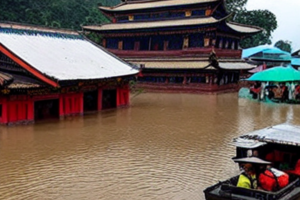
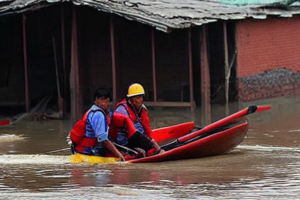
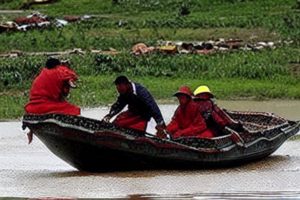
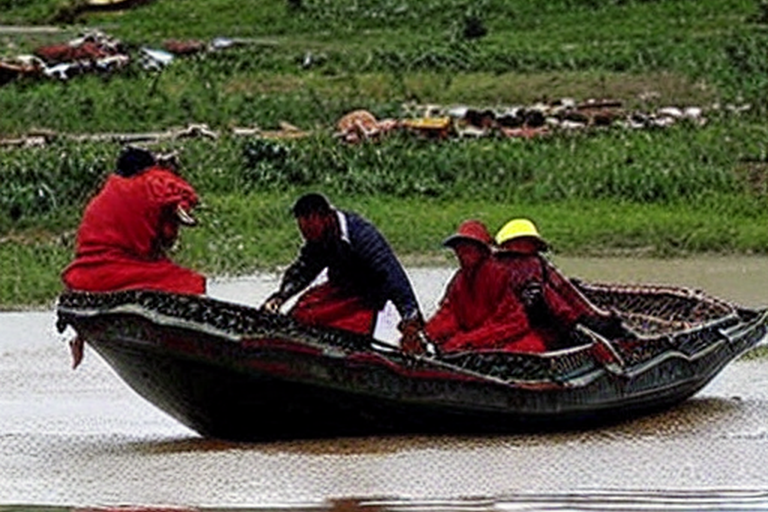
Dramatic flash flooding has devastated parts of Tibet, prompting international alarm as the full scope of the humanitarian crisis remains largely obscured from public view within China. Limited information available to international media and observers suggests that local authorities are heavily controlling the narrative, raising acute concerns about the true scale of the disaster and the number of victims.
The remote Tibetan Plateau has been hit by severe weather, leading to devastating flash floods that have impacted multiple regions. While reports of the disaster have surfaced internationally, journalists and independent monitoring groups are struggling to access reliable data on the affected communities.
The primary concern revolves around what observers describe as an information vacuum. High-definition footage and firsthand accounts of the damage are reportedly restricted from public viewing within China, creating a significant information asymmetry. This restriction complicates international efforts to gauge the extent of the damage and coordinate potential aid.
Human rights and disaster monitoring experts have expressed alarm over the information control. “The inability of external parties to independently verify the damage or victim count is a major obstacle,” said Sarah Chen, a geostrategic analyst specializing in Asian media. “When a natural disaster occurs, the flow of accurate information is critical for effective humanitarian response.”
Limited details are circulating about the number of people displaced or those who may have died. International media outlets are receiving fragmented reports, forcing them to rely on sources that are difficult to verify.
This difficulty in information access has prompted calls for greater transparency from the Chinese government. International relief organizations traditionally depend on local communication channels to assess needs, and the current situation poses a profound logistical challenge.
“We are seeing a pattern where state control over information preempts public safety,” stated Dr. Alistair Reed, a professor of political science at Georgetown University, who monitors global information flow. “In times of crisis, the immediate need for transparent communication is paramount, and its suppression raises serious questions about governance.”
The situation highlights the complex challenges of combining natural disaster response with state-controlled media environments. As international focus grows, the lack of verified data threatens to complicate any potential foreign assistance efforts. Experts are urging an immediate increase in transparency to allow independent monitoring of the humanitarian situation.