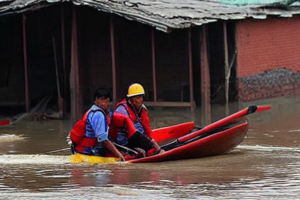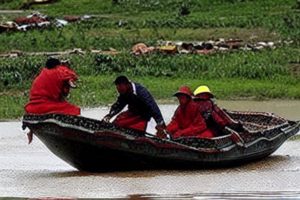

Nepal, China Floods: Death Toll Rises Amid Intensive Rescue Efforts
Catastrophic flooding has hit Nepal and China, leaving thousands missing and a death toll climbing. Rescuers are working tirelessly in tunnels as authorities warn of ongoing devastation.
Blog Feature 3430065899
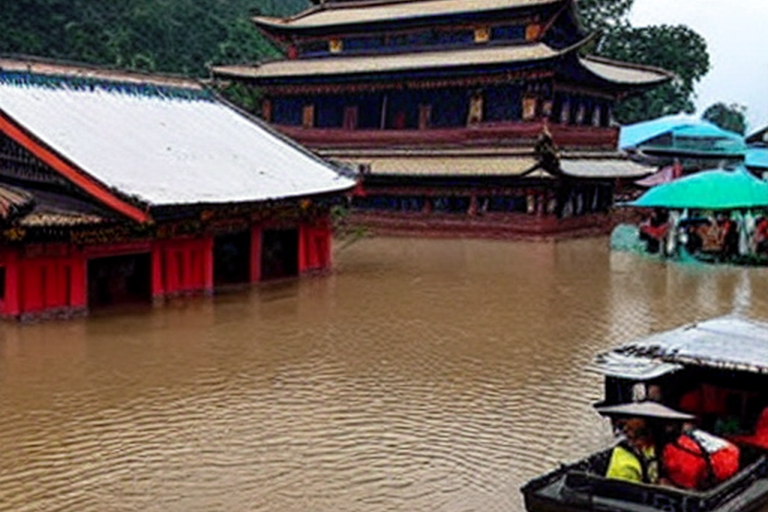
Catastrophic flooding in Nepal and China has resulted in a rising death toll and left thousands of people missing, according to international rescue teams. The natural disaster has devastated multiple regions, forcing emergency services to conduct intensive searches across mountain valleys and vital infrastructure.
Rescue efforts are currently focused on locating missing workers, particularly in deep hydropower tunnels, where unstable conditions pose extreme risks. Authorities have issued urgent warnings that subsequent rainfall and rising water levels could compound the existing devastation, complicating rescue operations across the affected areas.
The flooding was triggered by extreme monsoon rains and the rapid failure of natural barriers, overwhelming river systems that traverse some of Asia’s most densely populated and geographically challenging terrain. Millions of people have been displaced, leaving entire communities cut off from essential services like clean water and power.
The sheer scale of the humanitarian crisis has mobilized multiple national and international aid organizations. Initial reports confirm that the search efforts are working around the clock, utilizing specialized equipment, including aerial drones and high-angle rope rescue gear.
One of the most challenging aspects of the operation is accessing remote villages that have been submerged or isolated by landslides. “The structural integrity of the region is compromised, and we are dealing with a dynamic environment where the ground can shift hours after an initial search,” said Dr. Anjali Sharma, a geo-engineering specialist advising the UN Disaster Assessment Team.
While the immediate focus remains on search and rescue, the disaster has highlighted the deep disruption to local life, including athletic infrastructure. Several regional sports events and community training facilities have been washed out or rendered unusable.
This interruption poses a secondary challenge to the affected populations, raising concerns about mental health and the loss of community cohesion. Aid groups are now considering how to rapidly restore basic social structures, knowing that physical activity and community programs are vital to recovery.
“The loss isn’t just measured in lives or buildings; it’s also measured in the disruption of the community’s spirit and its ability to rebuild,” stated Marco Reyes, director of a regional aid coalition. “We must integrate physical resilience and sports programs into the immediate recovery strategy to help people maintain morale.”
As the weather remains volatile, authorities are urging residents in lower-lying areas to remain vigilant and heed evacuation orders. International aid is flowing into the affected zones, but the logistical nightmare of distributing aid across damaged roads and unstable terrain remains a major hurdle.
The coming weeks will focus not only on recovery but on rebuilding the foundational elements of local society. Experts predict that the need for community-led athletic and educational programs will become crucial in the long-term process of psychological and economic revitalization for the hardest-hit regions.