
Syracuse University’s Enrollment Crisis Threatens Local Economy
Declining student numbers at Syracuse University create severe financial pressure. The struggle threatens not only the campus but the vitality of the surrounding community.
Blog Feature 55329963
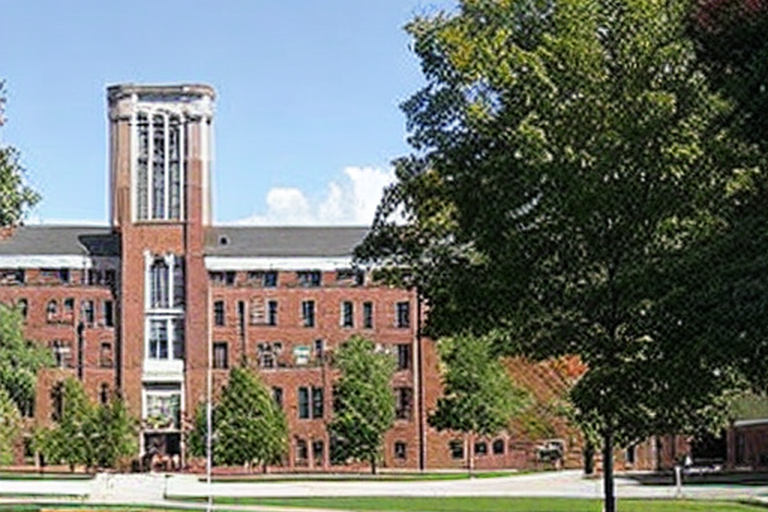
Syracuse University is grappling with declining student enrollment, creating significant financial strain that threatens the stability of the local economy. The struggle illustrates a widespread challenge facing regional metropolitan areas that rely heavily on higher education for their sustained vitality and quality of life.
The financial health of the university is intrinsically linked to the surrounding community, which depends on student spending for revenue. As tuition-dependent institutions face shifts in educational trends and demographics, the ripple effect impacts everything from local housing markets to small business revenues in neighborhoods like the Hillerman area.
For years, the university has served as a central pillar of the region’s economic structure. Student housing, retail spending, and job creation within the academic ecosystem have traditionally provided a reliable economic engine for Syracuse. However, recent enrollment dips have exposed a vulnerability in this deeply established relationship.
The current state shows a university navigating a challenging financial landscape, forcing an urgent reevaluation of its student recruitment models. Financial analysts point to macro trends, including increased competition from online learning and shifts in career paths, as primary contributing factors.
“The university is facing a structural challenge, not just a seasonal one,” stated Maria Chen, an economic development consultant specializing in upstate New York. “When the primary consumer base shrinks, the entire local spending pattern shifts, creating a domino effect across the entire regional job market.”
This decline forces both the academic institution and the city government to engage in difficult conversations about resource allocation and future development. The university must now pivot its strategy to attract students while simultaneously supporting the infrastructure that defines the community.
The implications for Syracuse are broader than the campus budget. The economic vitality of a city often correlates directly with the perceived quality of life, and the university is a critical component of that image. Local leaders are consequently pushing for innovative partnerships that link academic success directly to regional job growth.
“The university cannot be viewed in isolation; it is the largest employer and a cultural anchor,” noted Councilman Robert Davies. “If we want to maintain the vibrancy of our neighborhoods, we need to ensure the institution remains robust and relevant to the next generation of workers.”
Looking ahead, the survival of this economic model depends on establishing new revenue streams and deepening ties between education and industry. Future efforts are expected to focus heavily on graduate programs and specialized research that can attract students and talent from outside the immediate region.
The story of Syracuse University serves as a microcosm of a national trend: how smaller urban centers must redefine their economic identity when their traditional anchors weaken. The community’s resilience will depend on successfully transforming its educational assets into sustainable, multi-faceted economic drivers.