
Catastrophic Floods Hit Nepal, China; Seismic Fears Mount
Flash flooding has triggered a humanitarian crisis in Nepal and parts of China. International concern mounts as experts warn of underlying seismic dangers.
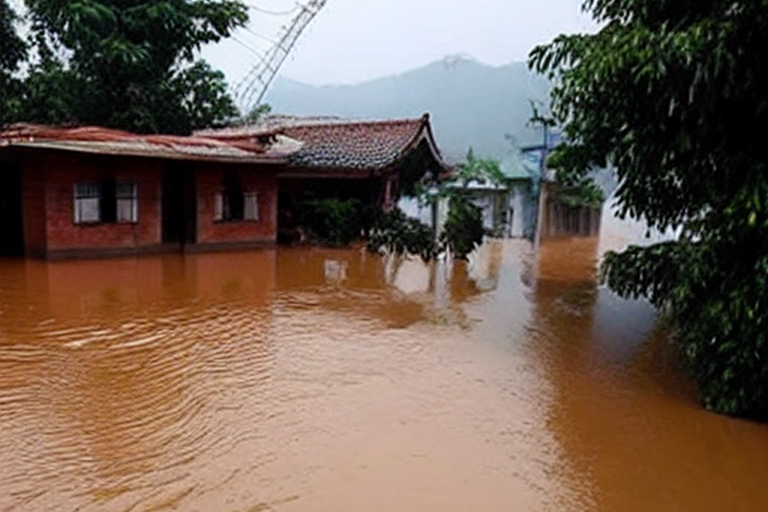
Blog Feature 3442889313
**Catastrophic Flooding Overwhelms Nepal and China; Rescue Efforts Challenge Logistics and Endurance**
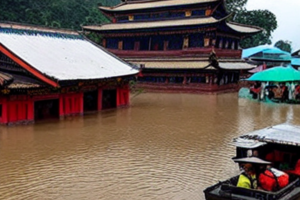
Catastrophic flash flooding has struck parts of Nepal and China, triggering a humanitarian crisis that has resulted in a rapidly rising death toll and left thousands unaccounted for. International aid agencies are struggling to reach affected populations as search and rescue teams navigate severely damaged infrastructure and unpredictable weather conditions.
The disaster, which impacted multiple regions, has overwhelmed local emergency services, prompting international concern over the scale of the crisis. Initial reports confirm that the flooding has severely disrupted key transportation routes, hampering the movement of essential supplies and specialized personnel.
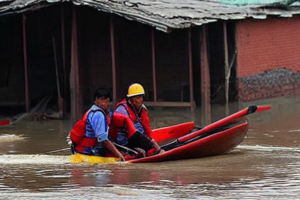
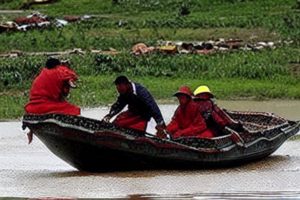
As the situation remains volatile, the focus has shifted to the sheer logistical challenge facing rescue workers. Teams are deploying through areas characterized by washed-out roads, unstable terrain, and deep debris fields. These operations require not only advanced engineering support but also immense human endurance from the first responders.
Rescue efforts are characterized by a race against time, forcing specialized medical and recovery teams into high-risk environments. “The sheer scale of the devastation means that every kilometer traveled is a logistical nightmare,” stated Amelia Rodriguez, an EMS coordinator with an international aid group. “It requires continuous coordination between air support, ground teams, and local volunteers.”
The growing body of missing persons highlights the depth of the crisis, forcing officials to dedicate substantial resources to search and recovery missions. Beyond the immediate human cost, experts are raising alarms about the underlying geological instability of the Himalayan region.
“The frequency and intensity of these events suggest a profound regional vulnerability,” said Dr. Kenji Tanaka, a seismologist advising international disaster relief teams. “We must consider that the current flooding may be symptomatic of deeper tectonic stresses.”
International bodies are coordinating a multi-agency response, deploying heavy machinery, specialized SAR (Search and Rescue) dogs, and medical units. The challenge is not just finding survivors, but establishing sustainable support systems in regions that have been functionally isolated by the deluge.
The resilience displayed by the local population and the dedicated rescue personnel is drawing global attention. Teams are operating around the clock, demonstrating extraordinary dedication in the face of overwhelming odds. The operational model for this crisis emphasizes human grit, transforming rescue into an endurance test of the highest order.
As aid continues to flow into the affected areas, the immediate focus remains on stabilizing the region and preventing secondary disasters. Experts warn that the period of recovery will be prolonged, necessitating sustained international commitment. The goal is to not only retrieve the missing but also to begin the monumental task of rebuilding communities in the wake of this devastating natural event.