
Nepal-China Disaster: Landslides Devastate Border; 2,500 Missing
Massive landslides and flooding have struck the Nepal-China border, causing extreme devastation and loss of life. Authorities are struggling in ongoing rescue efforts to locate over 2,500 missing people.
Blog Feature 2516092770
**Massive Landslides Leave Thousands Missing Near Nepal-China Border; Search Efforts Focus on Resilience**
Search teams are battling catastrophic landslides and flooding in the remote border region between Nepal and China, struggling to locate more than 2,500 people whose fate remains unknown. The natural disaster, which has devastated infrastructure and livelihoods, has triggered a massive international humanitarian effort.
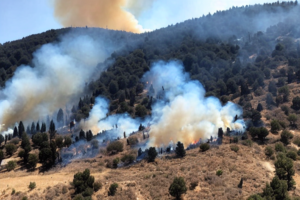
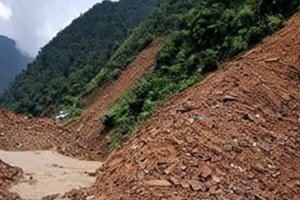
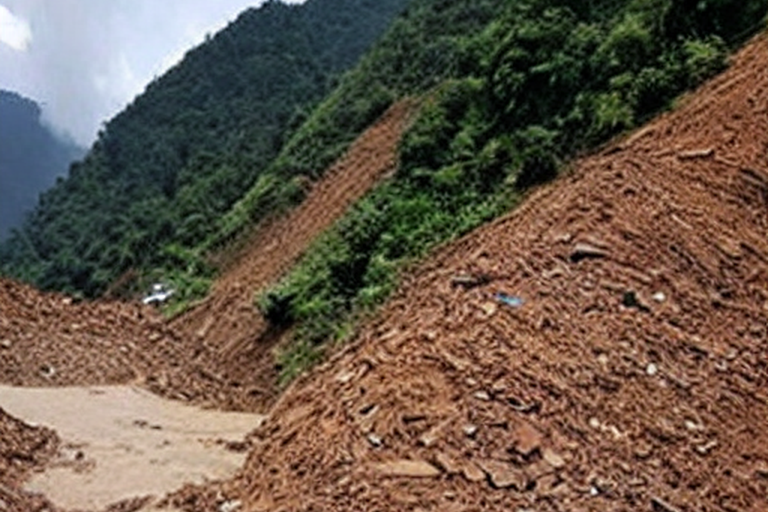
The extreme weather event struck the Himalayan foothills, causing widespread devastation across mountainous terrain. The combination of torrential rainfall and unstable geology triggered massive mudslides and flash floods, burying villages and cutting off critical supply routes.
Initial estimates indicate that the human toll, in addition to the missing population, is devastating. Local authorities report that numerous settlements have been rendered inaccessible, leaving rescue workers facing unpredictable and perilous conditions.
Rescue operations are currently spearheaded by a combination of Nepali and Chinese military units, alongside specialized international search and rescue (SAR) teams. These teams are traversing unstable slopes and deep ravines, requiring extraordinary physical endurance.
The sheer difficulty of the environment has become a defining feature of the rescue mission. Workers are navigating terrain that shifts constantly, making every ascent and descent a calculated risk. This grueling effort highlights the incredible resilience and skill of the personnel involved.
“The sheer athleticism required here is beyond anything we’ve trained for,” stated Major Rohan Sharma, a member of the Nepali Army SAR unit, speaking from the field. “We are moving through debris fields and unstable slopes that require every ounce of our physical strength and coordination.”
The disaster has necessitated a complex, multi-agency response. International aid is pouring into the region, with aerial reconnaissance and heavy machinery being deployed to areas previously deemed unreachable. Efforts are focused on establishing secure base camps and coordinating search patterns efficiently.
Humanitarian organizations are working alongside governments to manage the escalating crisis. They are prioritizing the search for survivors while simultaneously managing immediate needs such as shelter, medical aid, and clean water for the displaced population.
Dr. Emily Carter, a representative from the International Disaster Relief Coalition, emphasized the coordination challenge. “The scale of the loss is overwhelming. Our focus now is on maintaining momentum and ensuring that the local workers, who are the backbone of this effort, have the resources and safety protocols they need.”
As the search continues into the next phase, authorities are warning the public to avoid the disaster zone and to prepare for potential secondary landslides. The situation remains fluid, with rescue workers maintaining a relentless, physically demanding effort in hopes of bringing the missing count down to zero. International cooperation will remain vital in the coming days as teams continue their dangerous work in the heart of the Himalayas.