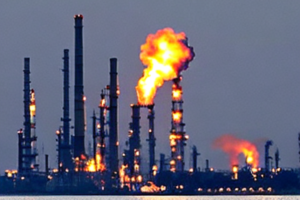

Saudi Oil Pipeline Shut Down After Drone Attack From Iraq Border
A drone attack originating near Iraq has forced Saudi Arabia to shut down a critical oil pipeline. The incident sharply raises global concerns over energy supply stability and regional tensions.
Blog Feature 2044443709
**Saudi Pipeline Shut Down After Drone Attack Linked to Iraq Border**
Saudi Arabia reportedly shut down a critical oil pipeline after a drone attack originating from an area bordering Iraq, triggering immediate concerns over global energy supply stability. The incident has significantly heightened regional tensions, prompting Iraq to launch internal investigations and remove a high-ranking military commander.
The key oil pipeline, vital for Saudi Arabia’s exports, ceased operations following the drone strike. While the full extent of the damage remains unclear, the shutdown immediately fueled volatility in global commodity markets, prompting reactions from international energy analysts.
The attack occurred near key Saudi energy infrastructure, drawing immediate international attention to the escalating instability in the volatile Arabian Peninsula. Sources confirm that initial investigations point toward the drone’s launch point being situated in a disputed area near the Iraq border.
In response to the escalating threat, Iraqi authorities initiated a swift internal review. Officials stated that a military commander implicated in the security lapses has been removed from his post. “The Iraqi government is taking these security breaches extremely seriously, and accountability is paramount,” said a source close to Baghdad’s security apparatus.
The incident underscores the deep vulnerability of global energy supply chains to localized geopolitical conflict. Saudi Arabia, a cornerstone of global oil production, relies heavily on stable regional security.
Analysts are focusing on the cascading economic effects of the pipeline shutdown. The disruption threatens to tighten global supply, potentially driving up prices for crude oil and natural gas across multiple markets.
“What we are seeing is a textbook example of how localized conflict can instantly translate into global economic risk,” noted Dr. Omar Hassan, an energy security expert at the Georgetown Institute. “The sheer proximity of the conflict to critical infrastructure means that the potential for escalation is always imminent.”
Diplomatic efforts have intensified in the region. International bodies are calling for de-escalation and cooperation between the involved nations to stabilize the flow of energy.
The situation remains fluid, with investigators continuing to work to identify the ultimate source and actors behind the drone strike. Experts warn that any further escalation in the border regions could lead to prolonged energy market disruptions, impacting economies far beyond the Middle East.