
Coaster Death Sparks Push for Federal Oversight of Park Safety
Following a fatal incident at a Six Flags park, critics are demanding sweeping federal reforms for the amusement park industry. Experts debate whether current state and federal regulations are sufficient to ensure public safety.
Blog Feature 2897761242
**Tragedy Spurs Calls for Federal Safety Overhaul of Amusement Parks**
Following a death linked to a roller coaster at a Six Flags park, critics are demanding that the federal government significantly increase its oversight and safety regulations for the entire amusement park industry. The incident has ignited a widespread national debate regarding the current standards for ride inspections and maintenance within major theme parks.
The controversy centers on the inherent tension between providing high-stakes entertainment and ensuring flawless structural integrity. Experts and safety advocates are questioning whether current state-level inspection protocols are adequate to manage the sheer scale and mechanical complexity of modern thrill rides.
The accident at the major regional park drew immediate scrutiny from safety engineers and regulators. Critics argue that the current regulatory patchwork leaves critical gaps in how frequently and deeply ride systems are examined. They point to the immense mechanical stress placed on these attractions, suggesting that localized, state-run inspections may not account for systemic, long-term degradation.
A leading mechanical safety advocate, Dr. Eleanor Vance, argues that the industry needs a unified national standard. “We are talking about complex, life-critical machinery that operates under extreme duress,” Dr. Vance stated. “The current system relies too heavily on local compliance, creating unpredictable safety margins. A federal mandate is necessary to ensure consistent, rigorous inspection protocols across all jurisdictions.”
The debate has moved beyond the specific incident, focusing instead on the history of ride technology and corporate accountability. Many major theme parks represent millions of dollars in constantly evolving, high-capacity machinery. The challenge lies in maintaining the “spectacle” factor—the thrilling, high-stakes experience—without compromising fundamental safety principles.
Currently, ride inspection is managed primarily by state and local authorities, leading to variations in enforcement and required testing frequency. Policy experts note that this decentralized system creates a regulatory Achilles’ heel. The industry’s rapid pace of innovation often outstrips the ability of existing state codes to adapt.
“The industry cannot be allowed to operate in a regulatory void,” said Marcus Chen, a policy analyst specializing in infrastructure. “Congress must consider creating a dedicated federal oversight board, modeled perhaps after aviation safety bodies, to standardize inspection, maintenance, and operational guidelines nationwide.”
Those supporting federal intervention point to the need for mandatory, standardized data logging on ride performance and component wear. They argue that transparency must be a core tenet of the industry.
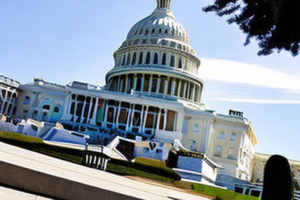
As the conversation moves into legislative circles, lawmakers are weighing the economic impact of increased federal oversight against the public necessity of heightened safety standards. The debate is expected to intensify, forcing a confrontation between the commercial desire for maximum thrill and the fundamental right of patrons to safety. The ultimate outcome will determine whether the amusement industry will receive a comprehensive safety overhaul or remain subject to its current, fractured regulatory structure.