
CA State Workers Strike Over Pay, Benefits, and Mandates
Thousands of California state employees struck for a day, citing disputes over compensation and healthcare. The action highlights deep tensions regarding work mandates and economic stability.
Blog Feature 3205774038
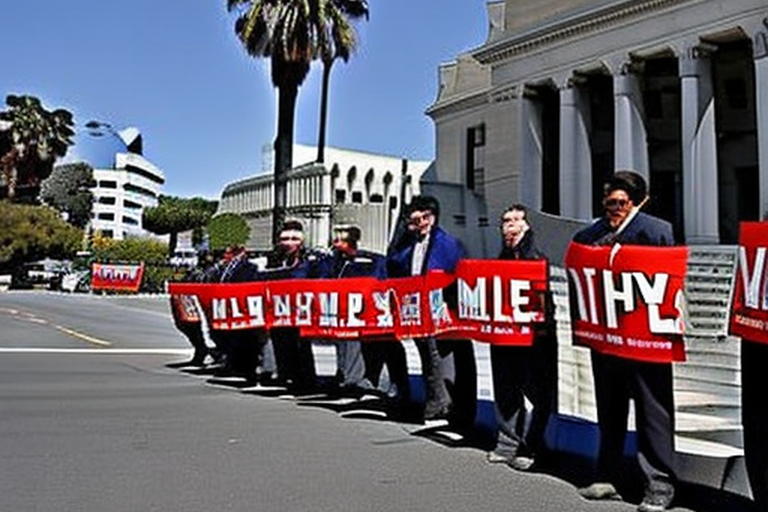
Thousands of California state workers staged a one-day strike Thursday, bringing services to a temporary halt across several state agencies. The labor action, which took place amid ongoing contract disputes, highlighted significant employee discontent over wages, healthcare benefits, and workplace mandates.
The walkout represents a concentrated effort by various state employee unions to force negotiations with state management regarding working conditions and economic stability. Disputes center on comprehensive contract negotiations, with workers citing insufficient compensation increases and inadequate healthcare coverage as primary drivers of the action.
Beyond financial concerns, a key flashpoint was the debate over mandated return-to-office policies. Employees argued that such mandates disregarded departmental needs and the flexibility proven effective during remote work periods.
Union representatives stated that the strike was a necessary measure to elevate the bargaining power of the workforce. “This action is not merely about a paycheck; it is about restoring a sustainable working environment that respects our expertise and our quality of life,” said Maria Rodriguez, a spokesperson for the California Public Employees Union.
The unrest signals a broader, growing tension between state employees and the administrative bodies that oversee state services. Labor analysts suggest that these disputes reflect a national trend of increased union activity and scrutiny of public sector labor practices.
Management, meanwhile, emphasized the need for fiscal responsibility, countering that immediate demands could jeopardize essential state services. A representative from the State Department of Labor stated that while the administration recognizes the employees’ concerns, “the budget constraints require that any agreement must be sustainable and fiscally prudent for the state’s long-term health.”
For businesses and industry watchers, the strike has immediate implications regarding labor costs and operational stability. Experts suggest that state-level labor unrest can create ripple effects that impact private sector supply chains and service delivery.
“Businesses should view this trend as a potential indicator of rising unionization risk and increased labor cost volatility across state-dependent industries,” noted labor economist Dr. Kenji Tanaka. “The ability of state workers to mobilize and halt operations demonstrates a significant collective bargaining power that private sector employers must monitor closely.”
The outcome of the strike will dictate the immediate future of state employment negotiations. Workers are expected to resume picketing and organizing efforts, signaling that the dispute is unlikely to be resolved with a single day of action. Both labor unions and state negotiators are now facing pressure to establish a comprehensive timeline for renewed talks to prevent further disruptions to essential public services.