Peat Fires Threaten Indonesia, Releasing Massive Carbon Emissions
Intense peat fires are raging across Indonesia, fueling one of the worst wildfire seasons in years. These bogs release massive amounts of stored CO2, posing a severe climate threat.
Blog Feature 2003958138
**Peat Fires Accelerate Climate Change by Releasing Ancient Carbon Stores in Indonesia**
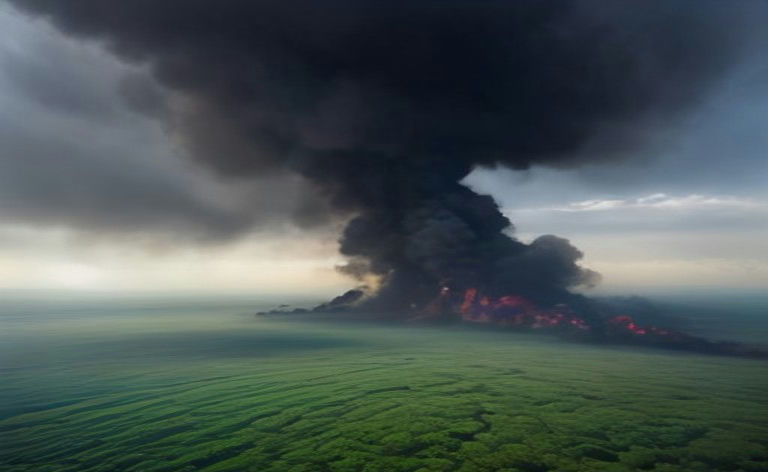
Indonesia is grappling with one of its worst wildfire seasons in years as uncontrolled peat fires burn deep beneath the surface, releasing massive quantities of stored carbon dioxide and complicating global efforts to curb climate change. The deep-burning peat bogs are generating intense, difficult-to-control smoke, severely impacting air quality and public health across Southeast Asia.
Peat bogs are accumulated, partially decomposed plant matter that have taken thousands of years to form. When these waterlogged peat layers dry out and ignite, the subsequent burning process does not behave like surface forest fires. Instead, the heat penetrates the underlying, carbon-rich organic material, creating subterranean blazes that are extremely difficult to detect and extinguish.
The unique danger lies in the biogeochemistry of the burning. Peat acts as a massive, millennia-old carbon sink, meaning it has sequestered vast amounts of carbon dioxide from the atmosphere. When the peat ignites and burns, it rapidly converts this stored carbon back into gaseous emissions, accelerating the global carbon cycle.
“We are not just witnessing a local environmental disaster; we are observing a massive carbon feedback loop,” explained Dr. Amelia Santoso, a biogeochemist monitoring the region’s emissions. “The rate at which these fires release sequestered carbon significantly complicates any global climate modeling.”
This continuous release of greenhouse gases elevates atmospheric carbon levels, contributing substantially to global warming trends. Furthermore, the smoke generated by these blazes creates severe regional haze. This haze travels across national borders, forcing health advisories and negatively impacting air quality and respiratory health for millions of people.
Authorities have cited deforestation and unsustainable land drainage practices as key factors exacerbating the crisis. When peatlands are drained for agriculture or development, they lose their natural water barrier, making them highly susceptible to drying and subsequent ignition.
“The combination of dry conditions and human land use practices has created a perfect storm,” noted a representative from the Indonesian Ministry of Environment. “Mitigation requires a combination of strict enforcement and sustainable land management techniques.”
Addressing the peat fire crisis requires more than just firefighting efforts. Experts emphasize the need for comprehensive policies that restore peatland hydrology and prevent further drainage. The scale of the carbon emissions from these fires underscores the urgent need for international cooperation and immediate shifts toward sustainable land use practices across tropical regions.