NATO Tensions Flare: Russia Strikes Near Poland Amid Military Drills
A Russian missile strike near Poland during NATO exercises has significantly escalated regional tensions. Polish leaders call the attack a deliberate provocation from Moscow, signaling continued aggression.
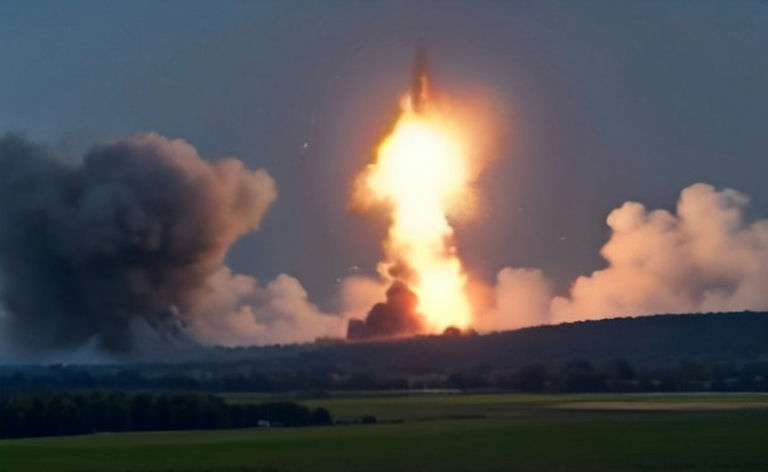
A missile launched by Russia struck near Poland while NATO allies were conducting military exercises, leading Polish leader Donald Tusk to characterize the incident as a deliberate provocation from Moscow. The aggressive strike, which occurred on the Eastern flank of the alliance, has significantly heightened geopolitical tensions and signaled continued Russian military pressure against Western borders.
While Polish officials confirmed that no casualties or significant structural damage were reported following the strike, the incident has been described by Western capitals as a stark escalation. The attack occurred during a scheduled multinational readiness exercise involving Polish, Baltic, and other allied forces, designed to reinforce collective security.
Polish Prime Minister Donald Tusk stated that the timing and nature of the missile launch could not be attributed to accident. “This was a clear and unacceptable provocation, aimed at destabilizing the region and testing the resolve of our allies,” Tusk told reporters shortly after the event.
The incident underscores the precarious security environment in Eastern Europe. NATO members have spent months increasing troop presence and conducting high-profile drills in response to Russia’s ongoing military campaign in Ukraine. Military analysts suggest that Russia’s actions are intended to erode the perceived security perimeter of the alliance.
“The pattern of these incursions suggests that Russia is attempting to establish a new operational normal of aggression,” said Dr. Elena Petrova, a geopolitical expert at the War Studies Institute. “These actions are designed to create a crisis environment, raising the risk of miscalculation between major military blocs.”
The immediate military response has seen NATO allies coordinating increased patrols and enhancing defensive measures along the Polish and Baltic borders. Nations involved are reportedly consulting within NATO frameworks to determine if the strike warrants a formal collective response.
The background context points to a sustained period of heightened military tension since the full-scale invasion of Ukraine. Western governments have used the opportunity to strengthen joint defense capabilities, viewing the Eastern flank as a critical point of vulnerability.
Looking ahead, experts warn that the risk of miscalculation remains critically high. The incident has amplified existing concerns about the speed and scale of a potential escalation. Diplomats are now under pressure to de-escalate through robust diplomatic channels while simultaneously maintaining a credible military deterrent.
The international community is scrutinizing the incident, with calls mounting for stronger unified messaging from NATO. The event serves as a stark reminder that the strategic competition between Russia and the West remains at a dangerously high level.