
Swiss Glaciers Melt at Record Rate, Signaling Climate Crisis
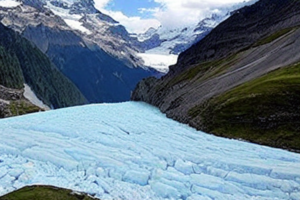
Swiss glaciers have lost ice at a disastrous rate this year. This rapid retreat underscores the immediate threat of global climate change and freshwater scarcity for the region.
Blog Feature 1521918599
**Swiss Glaciers Undergo Disastrous Year of Ice Loss, Triggering Water Security Concerns**
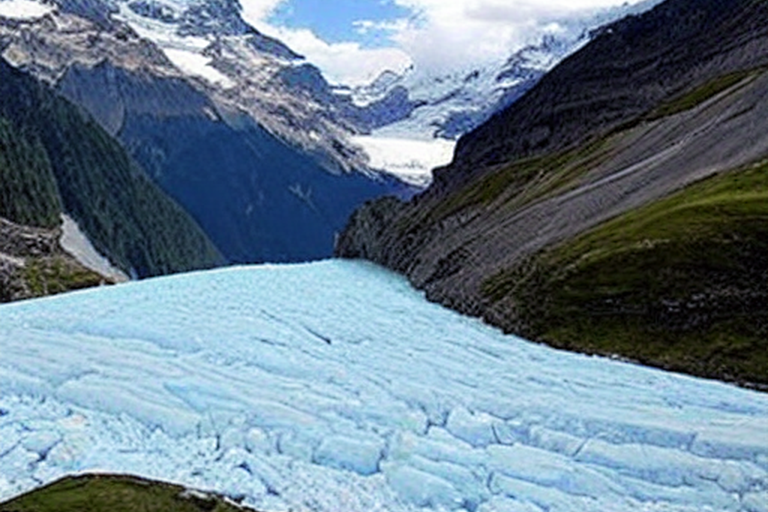
Swiss glaciers endured a disastrous year of accelerated ice loss, scientists reported this week, raising immediate alarm over the long-term stability of freshwater supplies across the Alpine region. The rapid melt rate provides tangible evidence of global climate change, directly impacting the hydrology and ecology of the entire Swiss Plateau.
Researchers studying the Swiss cryosphere documented highly accelerated rates of ice retreat, confirming that the melt cycle is intensifying far beyond historical norms. The magnitude of the loss has triggered urgent scientific assessments regarding the future availability of water resources crucial for agriculture, power generation, and human consumption.
The primary concern centers on the region’s reliance on glacial meltwater. For centuries, these massive ice reserves acted as natural, predictable water towers, regulating river flow and ensuring stable supplies through dry periods. As the glaciers shrink, this natural regulation mechanism is diminishing rapidly.
Scientists attribute the extreme melt to rising global temperatures, noting that the rate of loss is consistent with models predicting the severe impacts of ongoing warming. Dr. Elias Vogel, a glaciologist at the University of Zurich, stated that the current retreat represents a significant deviation from established climate baselines. “We are observing a melt acceleration that is alarming in its speed,” Dr. Vogel noted. “This is not just a gradual change; it is a pronounced, systemic destabilization of the cryosphere.”
The consequences of this accelerated melt are expected to unfold in stages. Initially, the rapid melt increases runoff, potentially leading to localized flooding. However, once the bulk of the glacial mass is lost, the flow of meltwater will eventually decline sharply.
This projected decline poses a profound threat to downstream ecosystems. Alpine rivers, which support diverse aquatic life and underpin local economies, rely heavily on the consistent input of glacial runoff. Changes in temperature and volume threaten the biological diversity and the economic viability of communities situated along major rivers.
Water resource managers are now urgently modeling scenarios to adapt infrastructure and agricultural practices. They are shifting focus toward developing alternative water storage solutions and implementing more efficient irrigation techniques.
“The long-term stability of the water cycle in the Alps is at stake,” explained Professor Anna Richter, a hydrologist specializing in Alpine systems. “We must now treat glacial melt not as a permanent resource, but as a transient pulse that requires immediate adaptation planning across all sectors.”
The findings underscore the need for international cooperation and immediate policy adjustments. As the physical evidence of climate change becomes visible in the retreating ice, the scientific data compels policymakers to address climate mitigation efforts with unprecedented urgency to secure the region’s vital water future.