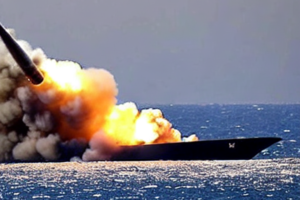

Missile Fire: Iran Retaliates Against U.S. Strikes in Strait of Hormuz
Iran launched missiles and drones following alleged U.S. strikes in the Strait of Hormuz. This dangerous escalation warns of a major destabilizing confrontation in the Middle East.
Blog Feature 1278502967
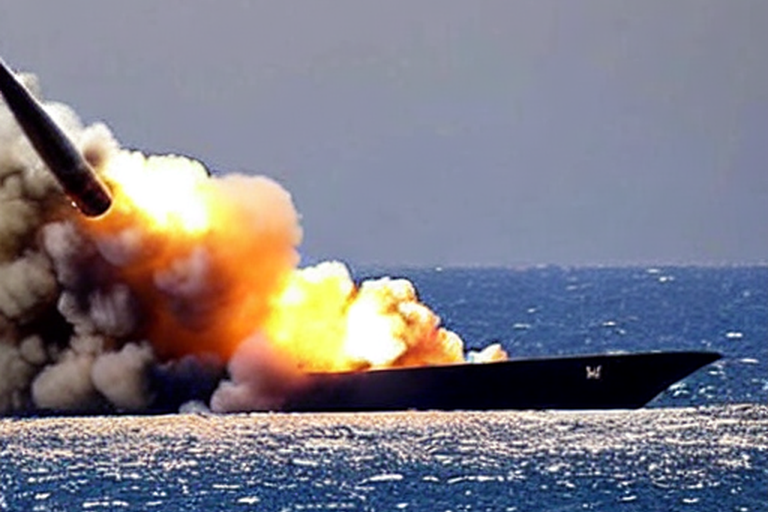
Iran launched missiles and drones in retaliation to recent U.S. strikes in the Strait of Hormuz, escalating regional tensions and directly defying warnings about potential military conflict. The action represents a significant escalation, raising fears of a major, destabilizing confrontation between Tehran and Western military powers.
The assault, which occurred near crucial international shipping lanes, utilized a mix of advanced missiles and unmanned aerial vehicles. Washington and regional allies viewed the attack as a direct challenge to the established status quo and a deliberate provocation.
The incident significantly heightens the volatile geopolitical situation in the Persian Gulf. The Strait of Hormuz is one of the world’s most critical chokepoints for global energy transit, making any instability a major concern for global economies.
Background tensions have been mounting following increased naval presence from the U.S. and its allies in the region. Tehran has repeatedly warned against foreign military interference, while Washington has increased its deterrent posture.
Analysts suggest the deployment of asymmetric weaponry—drones and missiles—is a calculated tactic. This allows a state to project significant military force while maintaining a degree of deniability regarding the origin or scale of the attack.
“This move goes beyond typical skirmishing; it is a clear, aggressive attempt to redefine the rules of engagement in the Gulf,” said Dr. Anya Sharma, a Middle East security expert at the Council on Foreign Relations.
The retaliation appears specifically designed to test the resolve of the U.S. military and undermine previous diplomatic warnings. The timing is particularly sensitive, occurring after repeated calls for de-escalation from international bodies.
International maritime organizations are already coordinating responses to ensure the continued flow of commercial traffic. Multiple global energy firms have temporarily adjusted risk assessments for shipments passing through the Arabian Gulf.
“The immediate risk is not just military, but economic. Any sustained disruption here would ripple through global oil and gas markets, impacting everything from European manufacturing to Asian supply chains,” noted an energy analyst speaking on condition of anonymity.
The response from the international community remains fluid, balancing the need for deterrence with the desire to avoid a full-scale war. Military vessels from allied nations are reportedly increasing patrols in the area.
Geopolitical experts are watching closely to determine if the confrontation will remain limited to naval confrontations or expand onto land or air. The incident underscores the growing trend of regional powers utilizing sophisticated, low-cost military assets to challenge established international norms.
For global trade and energy stability, the situation demands immediate diplomatic efforts. The coming days will determine whether the escalating cycle of retaliation can be contained or if the region slides further into conflict.