
Power Outage Crisis: Northwest Indiana Faces Public Health Emergency
Weeks without power in Northwest Indiana have sparked a public health crisis. Residents struggle with clean water access and critical medical equipment failure.
Blog Feature 2070143047
**Indiana Power Crisis Exposes Systemic Gaps in Disaster Resilience**
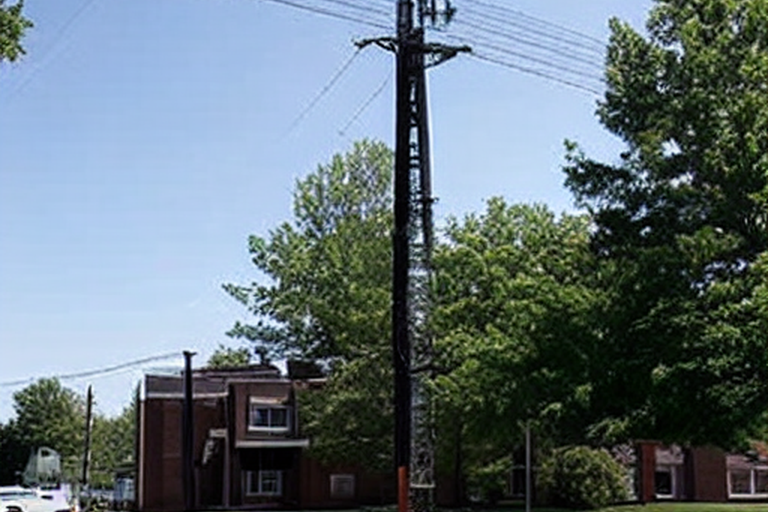
Thousands of residents in Northwest Indiana are grappling with a public health crisis after enduring power outages that have lasted up to ten days. The prolonged failure of basic infrastructure highlights critical vulnerabilities in local disaster preparedness, forcing communities to rely on emergency measures for necessities like clean water and medical care.
The extended outage, prompted by severe weather, has moved beyond a simple inconvenience, creating a systemic struggle for basic survival. Local hospitals and residences alike are contending with compromised refrigeration, jeopardizing temperature-sensitive medicines and vaccines. Without reliable electricity, the ability to purify water and run critical medical equipment is severely limited.
Community resilience has become the immediate focal point as official services struggle to keep pace. Neighboring groups and volunteers are organizing makeshift distribution points, providing aid and managing supplies in the absence of consistent municipal services. However, the scale of the crisis underscores a deeper issue than just the loss of power.
“This isn’t just about lights; it’s about the foundational pillars of public health,” said Dr. Eleanor Vance, an emergency medicine specialist analyzing the situation. “When the grid fails for this long, the cascading effects on dialysis patients, insulin storage, and clean water access are immediate and alarming.”
The incident raises urgent questions about the resilience of critical infrastructure across the region. Experts point to systemic gaps in backup protocols, noting that many facilities rely on generators that require continuous fuel supply or that are inadequately maintained for prolonged use.
Systemic improvements, according to disaster preparedness experts, must focus on localized, decentralized power solutions. “We cannot continue to treat large-scale outages as rare events,” stated Marcus Chen, an urban resilience planner. “There needs to be a mandatory, regularly audited plan for portable water purification and localized, community-managed microgrids that can sustain essential services like clinics and water pumps.”
The unfolding crisis serves as a stark, costly lesson in infrastructure vulnerability. While community spirit remains strong, the incident mandates a shift in policy—moving beyond simple restoration efforts to robust, preemptive planning. Authorities and local governments are facing mounting pressure to implement comprehensive, resilient protocols that anticipate the next severe weather event, ensuring that a loss of power does not equate to a loss of life.