
Israel Re-establishes West Bank Settlement Amid Rising Tensions
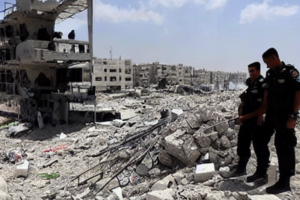
Israel proceeded with a new settlement in the West Bank, ignoring international outcry. The move, fueled by nationalism, has sharply escalated tensions with local Palestinian residents.
Blog Feature 80985452
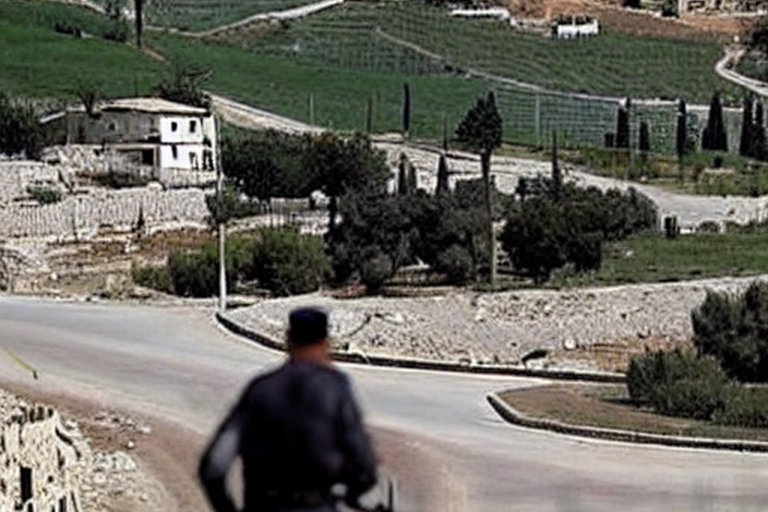
Israel has resumed the development of a closed settlement in the West Bank, intensifying international criticism and escalating tensions with nearby Palestinian communities. The move, which involves the arrival of new “pioneer families,” has been condemned by global bodies as a violation of international law and a significant flashpoint for conflict.
The settlement re-establishment, which occurred over the past week, is framed by Israeli authorities as a necessary act of national consolidation. However, the rapid construction and influx of settlers have generated widespread fear and anxiety among the Palestinian residents living in the adjacent areas.
This development is fueled by a pronounced wave of nationalist sentiment within the Israeli government, which views the land expansion as vital to its security and historical claims. Critics argue that the process directly undermines the two-state solution framework and contravenes multiple international legal interpretations.
International reactions have been swift and intense. Organizations, including the United Nations, have repeatedly condemned the activity, warning that the settlement expansion risks deepening the humanitarian crisis. Diplomats from several nations have issued statements urging an immediate halt to all construction efforts.
For the local Palestinian population, the settlement growth represents an immediate threat to their livelihoods and physical safety. Activists report increased confrontations with Israeli security forces and settlers, leading to fears of forced displacement.
“This isn’t just about real estate; it’s about the systematic erasure of our right to exist here,” stated Amira Khalil, a human rights lawyer tracking the conflict. “Every new development chips away at the viability of Palestinian life in the West Bank.”
Israel maintains that its actions are within its sovereign right to develop and secure its population centers. Government spokespeople have repeatedly refuted claims of illegal activity, arguing that the settlements are necessary for the demographic and security integrity of the state.
The geopolitical implications of this renewed expansion are profound. International law governing occupied territories mandates that such unilateral actions require international oversight, a mandate Israel rejects.
Analysts suggest the flashpoint nature of the conflict means that the situation remains highly volatile. According to Israeli academic researcher Dr. Ben Zion Cohen, the current dynamic represents a critical juncture. “The continued focus on settlement expansion makes diplomatic efforts incredibly challenging and raises the risk of a major escalation,” Cohen noted.
The international community is currently debating potential mechanisms to enforce compliance with international humanitarian law. Future developments are expected to center on increased pressure from global powers and potential legal challenges at international tribunals, setting the stage for sustained diplomatic and physical confrontation.