

Record El Niño Threatens Global Climate; 2027 May Be Hottest Year
Scientists warn of an unprecedented, record-breaking El Niño cycle. This powerful warming suggests major global disruptions, potentially setting 2027 as the hottest year ever.
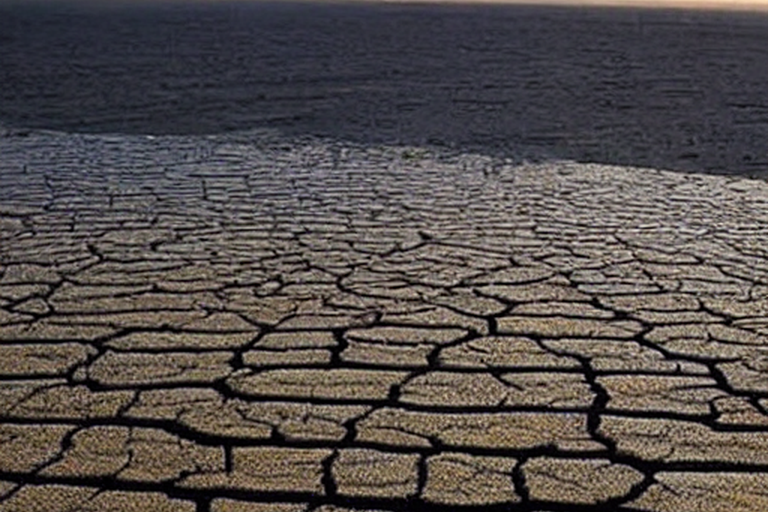
Blog Feature 598654156
**El Niño Predicted to Be Strongest in Living Memory, Scientists Warn of Global Climate Disruption**
Climate scientists warn that the current El Niño weather pattern is projected to be the strongest recorded in living memory, signaling a period of unprecedented global climate disruption. The intense warming cycle, originating in the Pacific Ocean, is altering global atmospheric circulation and increasing the likelihood that 2027 could be the world’s hottest year on record.
The warning comes as major meteorological offices analyze deep ocean data, describing the event’s sheer intensity as a highly unusual climatic phenomenon. This super-charged warming cycle impacts weather systems thousands of miles away, affecting everything from rainfall patterns to ocean biodiversity.
To understand the threat, it is crucial to understand El Niño itself. Normally, the Pacific Ocean exhibits cooler waters in the eastern sector, a stable pattern known as La Niña. El Niño, conversely, involves the warming of the surface waters across the central and eastern equatorial Pacific. This massive heat transfer fundamentally alters the planet’s thermal engine.
The warming water acts as a powerful heat source, disrupting the normal atmospheric circulation known as the Walker Circulation. When the Pacific warms, it releases vast amounts of latent heat into the atmosphere, creating shifts in pressure that ripple across the globe.
“This is not just a minor fluctuation; the magnitude of the warming signals a major forcing on the climate system,” explained Dr. Emily Carter, a climate modeler at the University of Miami. “The system is operating far outside historical norms, which means the resulting weather volatility will be significant.”
The cascading effects are complex and varied. The altered atmospheric currents can push jet streams into unusual paths, leading to extreme weather events in multiple regions simultaneously. Forecasts point to increased drought risk in some areas, while others face elevated flood potential due to warmer, moisture-laden air masses.
The warming trend has particular implications for global temperature records. Scientists are drawing attention to the cumulative warming effect, noting that the intensity of this El Niño event dramatically increases the probability of hitting unprecedented temperature marks in the near future.
Dr. Kenji Tanaka, a biogeochemist specializing in oceanic cycles, emphasized the critical nature of the current data. “We are seeing evidence of deep ocean heat content that suggests the planet is absorbing and retaining heat at alarming rates. This El Niño is a stark indicator of the underlying warming trend,” he stated.
Beyond temperature, the warming waters pose immediate threats to marine ecosystems. Coral reefs, for instance, are highly vulnerable to elevated sea temperatures, leading to mass bleaching events that threaten global fisheries and coastal economies.
As scientific bodies issue warnings, global attention is turning to adaptation strategies. Scientists are urging nations to bolster climate resilience, focusing on updating infrastructure to handle extreme rainfall and developing sustainable practices to mitigate ocean acidification. The unprecedented nature of this El Niño mandates a global commitment to understanding and mitigating its long-term impacts.