
US-Iran Tensions Escalate Amid Oil Tanker Attacks
President Trump defends actions amid rising tensions in the Strait of Hormuz.
Blog Feature 520746936
US Accuses Iran of Attacking Oil Tankers in Strait of Hormuz, Tensions Escalate
The United States accused Iran on Thursday of attacking two oil tankers in the Strait of Hormuz, a vital shipping route in the Middle East. The incident has heightened tensions between Washington and Tehran, with President Donald Trump defending his administration’s actions as “the right thing to do” and vowing not to apologize.
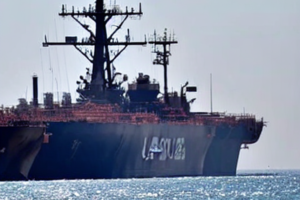
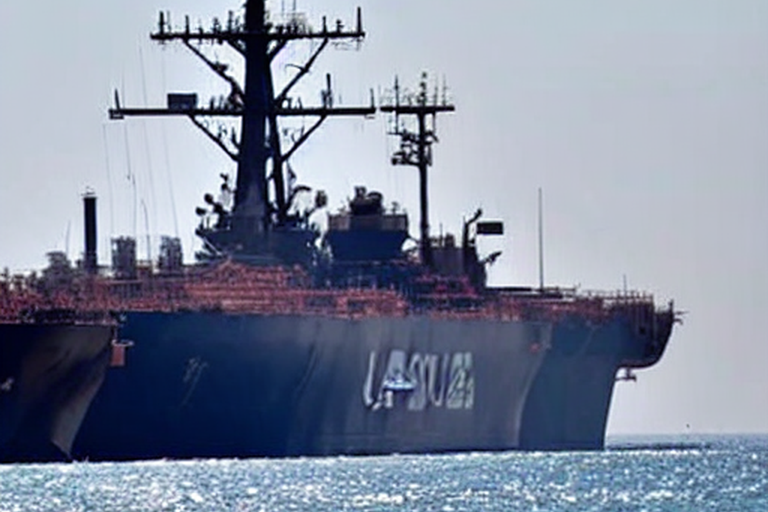
According to US officials, the tankers were attacked on Wednesday night while passing through the Strait of Hormuz, a narrow waterway that connects the Gulf of Oman to the Persian Gulf. The incident has raised concerns about the safety of international shipping in the region and has sparked fears of further escalation between the US and Iran.
The US Central Command (CENTCOM) released a statement confirming that two oil tankers had been attacked, but did not specify who was responsible. However, officials close to the investigation told CNN that Iranian Revolutionary Guard Corps (IRGC) naval forces were suspected of carrying out the attack.
“We are aware of the incident and are investigating,” said Lieutenant Colonel Earl Brown, a spokesperson for CENTCOM. “We will provide further information as it becomes available.”
The Strait of Hormuz is a critical shipping lane, with around 20% of the world’s oil passing through it every day. The region has been a source of tension between Iran and the US in recent months, with both sides trading accusations over issues including oil exports, terrorism financing, and nuclear development.
President Trump weighed in on the situation Thursday morning, telling reporters that he had “done the right thing” by imposing economic sanctions on Iran and would not apologize for his actions. “I’m a winner,” Trump said. “I don’t apologize for anything.”
Former US Ambassador to Israel Martin Indyk, now a senior fellow at the Council on Foreign Relations, said the incident highlighted the need for increased diplomacy between Washington and Tehran. “The Strait of Hormuz is a chokepoint in global trade, and any disruption there has far-reaching implications,” Indyk told CNN.
The escalation comes as tensions between the US and Iran have been simmering for months. In May, Trump announced that he was withdrawing from the 2015 nuclear deal with Iran, citing concerns over Tehran’s ballistic missile program and support for militant groups in the region. Since then, the US has imposed several rounds of economic sanctions on Iranian officials and entities.
Iranian Foreign Minister Mohammad Javad Zarif has repeatedly accused the US of “economic terrorism” and warned that Tehran would not be intimidated by Trump’s actions. On Thursday, Zarif tweeted that the Strait of Hormuz was a “global chokepoint” and that Iran had the right to defend its territorial waters.
As tensions continue to rise, analysts warn that any miscalculation could have catastrophic consequences for global stability. “The situation is volatile and unpredictable,” said Fawaz Gerges, a professor at the London School of Economics and an expert on Middle East politics. “We need diplomatic channels to remain open to prevent a further escalation.”
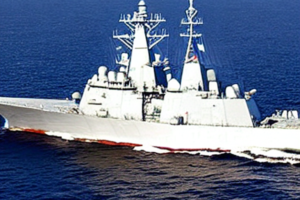
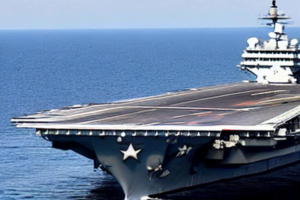
The US has deployed additional military assets to the region in recent weeks, including a carrier strike group and B-52 bombers, in response to what officials describe as increased Iranian aggression. With no clear resolution in sight, the situation remains fraught with uncertainty and risk.