
Rachel Storm Leaves Long Beach Devastated; Erosion Risks Remain
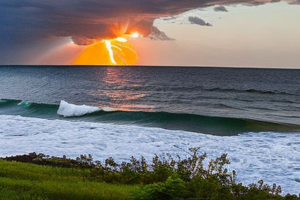
Destructive waves from Tropical Storm Rachel have severely damaged Long Beach, leading to 8 red-tagged buildings. Authorities warn residents to prepare for ongoing erosion and secondary weather threats.
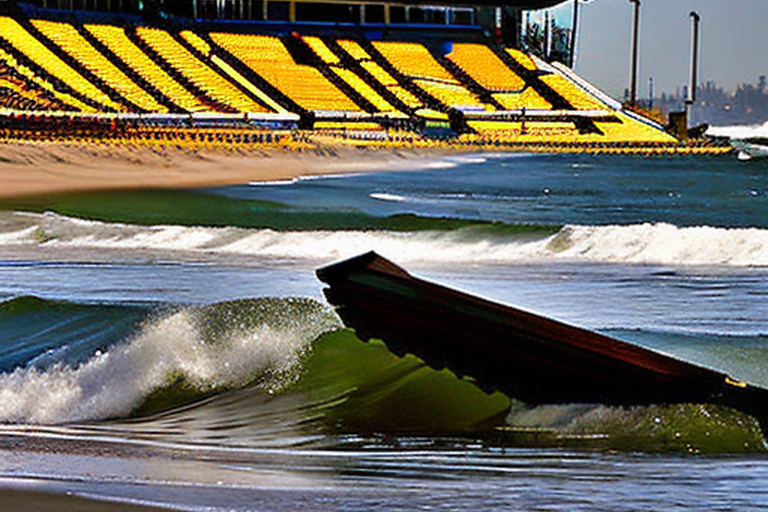
Blog Feature 1581671149
**Long Beach Sees Major Structural Damage After Tropical Storm Rachel**
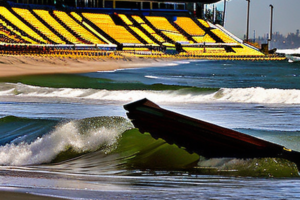
Eight buildings in Long Beach were red-tagged following destructive waves and high surf caused by Tropical Storm Rachel, leaving authorities assessing significant property damage along the waterfront. The mandated closures and restricted access areas underscore the immediate safety risks posed by severe coastal erosion in the area.
The storm system, which impacted the South Bay over several days, generated unusually high and destructive wave action. Coastal residents and local government officials are currently working to manage the aftermath, with the primary concern being continued erosion and potential secondary weather events.
Initial reports indicate that the intense wave action compromised several structures built near the coastline. The red-tagging system signifies that these buildings are deemed unsafe for public access until extensive structural assessments can be completed.
Authorities have established heightened monitoring protocols for the area, paying close attention to the shifting coastline and the potential for further storm surge. “The sheer force of the waves exceeded our models for this specific section of the waterfront,” stated Long Beach Emergency Coordinator Maria Flores. “We are dealing with a complex mix of structural instability and natural coastal retreat.”
While the immediate focus remains on safety and structural integrity, the community is already pivoting toward recovery, particularly within its athletic and community facilities. Many local sports complexes, critical hubs for neighborhood life, are assessing their own resilience.
Despite the physical damage, the spirit of local athletics remains strong. Several community groups are organizing efforts to keep programs running, even if temporarily relocated or scaled back.
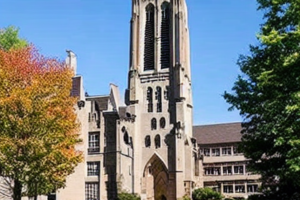
At the historic Long Beach Athletic Complex, organizers are working to secure temporary facilities and clean up debris. “Our commitment isn’t to the buildings alone; it’s to the kids, the teams, and the community spirit,” said local coach David Chen. “We are already planning how to reopen and restart programs as quickly as safety allows.”
These localized efforts highlight a broader community resilience narrative. Local leaders are mobilizing resources to ensure that essential recreational programs—from youth leagues to senior fitness centers—can continue serving the population.
The city council and local non-profit organizations are coordinating recovery efforts, providing resources and temporary support to affected residents and facility managers. Officials are urging the public to follow all evacuation and access restrictions to allow structural engineers and utility crews safe passage.
Looking ahead, the focus shifts from emergency response to long-term infrastructure planning. Experts suggest the storm underscores the urgent need for comprehensive coastal defense improvements and updated building codes to mitigate future risks. Community leaders are channeling this collective experience into advocating for stronger, more resilient coastal development policies.