
P&G Boosts Automation, Sheds Human Labor in Factories
P&G is rapidly increasing automated factory shifts, signaling a major shift in manufacturing. This strategic move allows the company to maximize efficiency and minimize reliance on human payrolls.
**Procter & Gamble Plans Expansion of Automated Factory Shifts to Cut Costs**
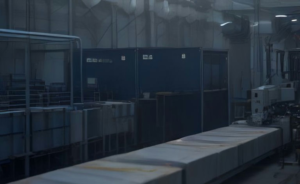
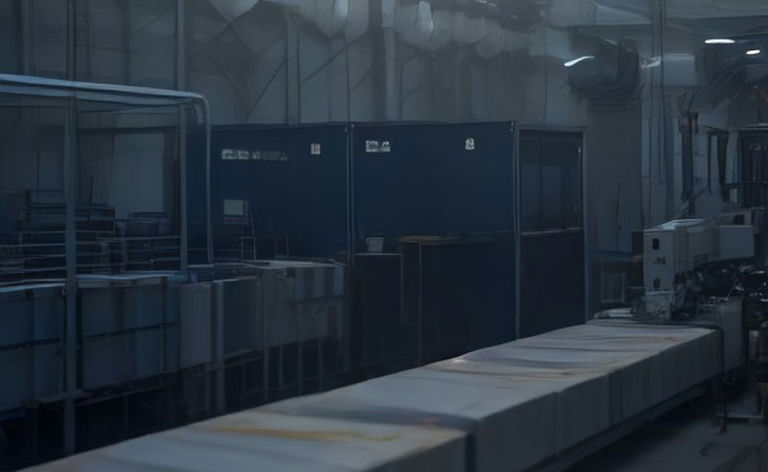
Procter & Gamble (P&G) is increasing its reliance on fully automated factory shifts, a move that will reduce the demand for human labor in its manufacturing processes. The company is implementing advanced robotics and automation across its facilities to maximize efficiency and significantly lower operational costs.
The strategic shift underscores a powerful trend among major consumer goods corporations: prioritizing cost reduction and technological efficiency over human payrolls. Industry analysts suggest P&G’s move is a direct response to persistent economic pressures and global supply chain volatility.
Sources familiar with the matter indicate that P&G is systematically retrofitting multiple manufacturing plants with advanced machinery. These automated shifts are designed to handle repetitive, high-volume tasks previously performed by human workers, allowing the company to maintain production output while minimizing labor expenditure.
The increased automation is not unique to P&G. It reflects a broader industry pivot where large, established manufacturers are aggressively adopting Industry 4.0 technologies. This pattern suggests that capital investment in robotics is increasingly viewed as a more reliable cost-saving measure than workforce expansion.
“The data clearly shows that the return on investment for advanced automation far outweighs the variable costs associated with human labor and fluctuating wages,” noted Dr. Eleanor Vance, a labor economist at the Brookings Institute. “For consumer packaged goods giants, cost efficiency has become the dominant operational metric.”
The implications of this trend extend far beyond P&G’s balance sheet, raising significant questions about the future of blue-collar labor. As companies deploy sophisticated robotic systems, the need for retraining programs and new economic models becomes critical.
Labor advocates have voiced concern over the pace of job displacement. Critics argue that while automation boosts corporate profits, it exacerbates economic inequality and places immense pressure on the working class.
“We cannot allow corporate efficiency goals to proceed without a corresponding social safety net and massive investment in worker reskilling,” stated Michael Chen, CEO of the National Labor Council. “The focus must shift from merely maximizing profit to ensuring sustainable employment for the communities that built these companies.”
Looking ahead, experts predict that this trend will accelerate, forcing smaller and mid-sized manufacturers to also invest in automation or risk falling behind competitors. The challenge for policymakers and educational institutions will be to bridge the growing gap between technological capability and human skill sets.
While P&G emphasizes that some human roles will remain necessary for maintenance and oversight, the overall direction points toward a significant reduction in direct human involvement in core production processes. This structural change suggests that cost efficiency is now dictating corporate strategy, fundamentally reshaping the labor landscape for major American manufacturers.