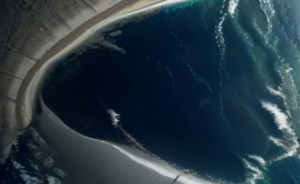
Massive Oil Spill Threatens UAE Coast After Tanker Strike
Satellite imagery confirms a major oil spill is spreading along the UAE coastline following a tanker strike. Experts warn the pollution poses an immediate, severe threat to marine ecosystems and wildlife.
Blog Feature 2012078043
**Oil Slick Threatens UAE Coastline After Tanker Incident**
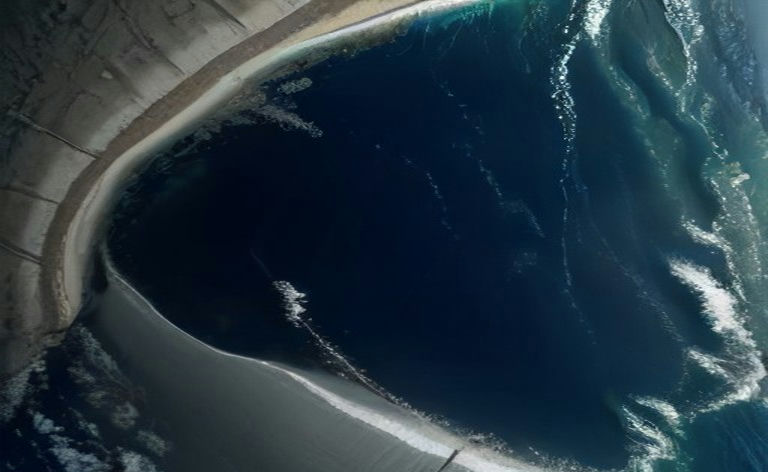
A significant oil slick has washed ashore along the coast of the United Arab Emirates (UAE) following a reported strike involving a commercial tanker. Satellite imagery confirms the contamination is spreading for miles, posing an immediate and severe threat to local marine life and delicate coastal ecosystems.
Authorities are mobilizing resources to contain the spill, which originated from the tanker incident. The contamination has been tracked across the Arabian Gulf, raising urgent concerns among environmental scientists regarding the impact on local biodiversity and tourism.
Initial assessments indicate that the oil is contaminating sensitive habitats, including coral reefs and seagrass beds. The sheer scale of the visible slick has prompted international attention to the environmental disaster and the potential ecological fallout.
Marine toxicologists are already assessing the immediate dangers posed by the crude oil. Experts warn that the petroleum residue not only suffocates marine fauna but can also introduce complex hydrocarbons into the local food chain.
“The primary concern is the long-term persistence of the oil,” said Dr. Fatima Al Mansouri, a marine biologist specializing in Gulf ecosystems. “Oil residue can leach into the sediment, impacting benthic organisms and disrupting the delicate chemical balance necessary for coral survival.”
Cleanup efforts face immediate scientific challenges. Standard remediation methods, such as mechanical skimming, are complicated by the size and location of the slick. The oil is also mixing with natural currents and tidal flows, making containment efforts extremely difficult.
Cleanup teams are evaluating several advanced techniques. These include the use of specialized dispersants, which break down the oil into smaller droplets, and natural absorption methods using specialized booms and materials. However, the use of chemical dispersants is itself controversial due to potential secondary toxicity.
“While dispersants are a necessary tool in large-scale spills, we must carefully manage their application to avoid creating a cocktail of environmental stressors,” explained Captain Robert Chen, a representative from an international maritime environmental agency. “The goal is targeted remediation that minimizes harm to non-target species.”
The long-term monitoring of migratory species is also critical. The UAE coastline supports numerous breeding grounds for endangered turtles and diverse bird populations. Scientists are focusing on the toxicological effects of the oil on these key indicator species.
Authorities have established a multi-agency task force to coordinate response efforts, involving local naval forces, environmental ministries, and international scientific partners. They are working around the clock to map the full extent of the contamination and deploy specialized vessels.
The coming weeks will involve intensive scientific sampling to determine the exact composition of the spilled oil. This data is crucial for developing the most effective, least damaging cleanup strategy, ensuring the resilience of the region’s vital marine resources.