

LeBron James Sues AI App Over Unauthorized Likeness Use
LeBron James has filed a lawsuit against a sports-betting app, claiming the company illegally used his likeness and nickname. This case signals a major legal battle over athlete IP rights in the age of advanced AI.
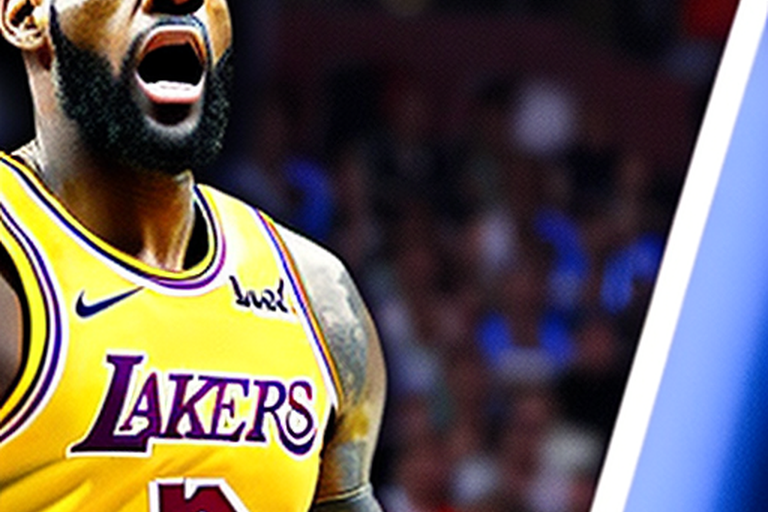
LeBron James filed a lawsuit against developers of an artificial intelligence sports-betting application, alleging the platform improperly utilized his personal likeness and nickname. The legal action, which emerged recently, spotlights the escalating concerns among global athletes regarding the unauthorized use of their identities within advanced generative AI technologies.
The lawsuit contends that the developers incorporated James’ recognizable features and signature handle into their AI models without permission or compensation. This dispute highlights the complex legal boundaries separating a celebrity’s intellectual property from the rapid advances of artificial intelligence.
The controversy places the spotlight on the concept of digital identity ownership. As deepfake technology becomes more sophisticated, high-profile individuals are increasingly seeking legal recourse to protect their public images. The case is viewed by legal experts as a potential marker for how celebrity identity rights will be enforced in the digital age.
Industry observers note that the core issue is not merely copyright, but the right of publicity—the right to control the commercial use of one’s identity. “This lawsuit forces a reckoning regarding who owns a person’s digital identity when that identity is fed into a machine learning model,” stated Professor Amelia Roth, an intellectual property law specialist at Columbia University.
The stakes are significantly higher than just one athlete. The case sets a potential precedent for how sports leagues, entertainment companies, and individual athletes can legally protect their brands from misuse by third-party AI developers.
Furthermore, the rapid deployment of these AI tools has outpaced current regulatory frameworks. Tech policy analysts argue that the legal system is struggling to keep pace with the innovation. “We are seeing a massive gap between technological capability and protective law,” said Marcus Chen, a tech policy analyst. “Athletes are essentially having to become digital rights lawyers to protect their own brands.”
The outcome of the lawsuit could define a new category of intellectual property law. If James prevails, it could establish a robust legal mechanism for tracking and policing the use of personal likeness in AI-generated content.
For the sports betting and media industries, the case signals a coming wave of mandatory consent protocols. Developers of similar AI applications may face increased scrutiny regarding how they source and use training data. The legal fight is ultimately about establishing clear boundaries for commercial exploitation in a world increasingly populated by synthetic media.