
Artemis III: Testing Humanity’s Return to the Moon and Beyond
Artemis III is a pivotal NASA mission testing essential systems for future lunar habitation. This program marks humanity’s ambitious return, aiming for sustainable life off-Earth.
Blog Feature 1909523304
**Artemis III: NASA’s Critical Step Toward Permanent Lunar Presence**
NASA’s Artemis III mission, scheduled to return humans to the Moon, is not the final destination, but a crucial engineering test designed to pave the way for sustainable human habitation beyond Earth. The program aims to establish a permanent, long-term human presence on and eventually from the Moon, utilizing advanced technologies necessary for future missions to Mars.
This monumental effort represents the largest international collaboration in space exploration history, drawing together commercial partners, international agencies, and scientific institutions. The ultimate goal transcends simple lunar landings; it is about developing the infrastructure for interplanetary travel and colonization.
Artemis III serves as the pivotal proving ground for systems that will be utilized in subsequent, more ambitious missions, including the planned Artemis IV landing. By testing key technologies in the deep space environment, NASA is mitigating risks associated with deep-space travel and long-duration crewed operations.
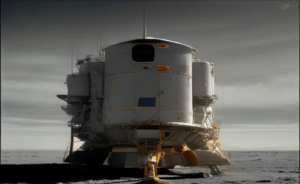
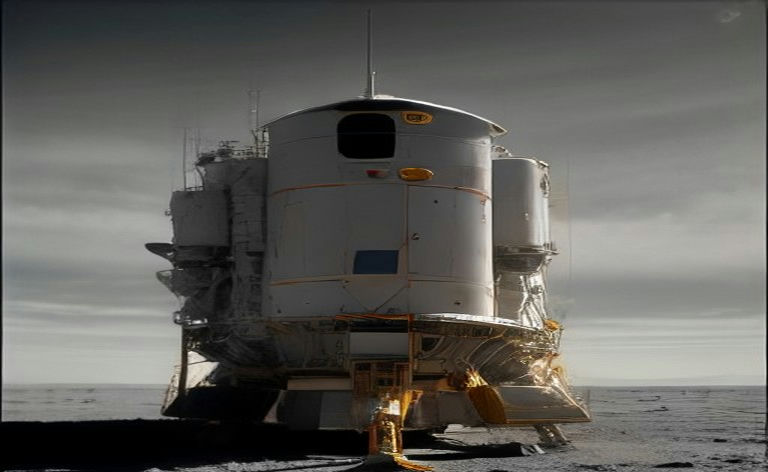
The architecture of the mission relies on the Starship Human Landing System (HLS) and the Space Launch System (SLS) rocket. These components are designed to operate together, proving the reliability of the integrated deep-space travel chain. Successful operation validates the crew’s ability to live and work in lunar orbit and traverse the vacuum environment.
“Artemis III is fundamentally about proving the viability of a sustainable lunar economy,” stated one NASA program official. “It requires us to master the logistics of life support, resource utilization, and power generation far from Earth.”
This preparatory role is critical because the complexity of establishing a permanent Moon base demands redundant, tested systems. The mission will allow astronauts to practice crucial skills in surface operations and habitat maintenance before reaching the next phase.
The findings from Artemis III will directly inform the design and operational parameters for Artemis IV, which is slated for a subsequent landing around 2028. This advanced landing will utilize the infrastructure built during the preparatory missions.
According to mission architects, the focus is shifting from exploration to utilization. The Moon is viewed as a proving ground—a place where humanity can practice the skills and technologies needed for Mars missions.
“The Moon is the essential stepping stone,” commented a space policy analyst. “We cannot safely plan a Mars mission without first mastering continuous, deep-space operations on a nearby celestial body. Artemis is the necessary bridge.”
Beyond the crewed landings, the program is also focused on developing resource utilization techniques, such as extracting water ice from the lunar poles. This ice can be converted into breathable oxygen and rocket propellant, making the Moon a potential refueling station for deep-space missions.
The Artemis program therefore represents more than a return to history; it is the foundational build-out of humanity’s permanent off-world outpost. Success at Artemis III solidifies the pathway toward establishing a self-sustaining human presence in the solar system.