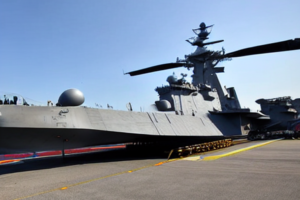

US Sanctions Squeeze Iran, Threatening Global Energy Trade
Intensifying US sanctions are crippling Iran’s economy and raising global alarm. The pressure has already lowered traffic through the vital Strait of Hormuz.
Blog Feature 2805087013
**Strait of Hormuz Traffic Remains Low as US Sanctions Tighten Grip on Iranian Oil Exports**
Tensions between the United States and Iran have kept maritime traffic through the vital Strait of Hormuz below normal levels, according to industry analysts. The ongoing global energy choke point disruption is directly linked to the intensifying US sanctions regime designed to restrict Iran’s oil revenue and exports.
The Strait of Hormuz is arguably one of the most critical shipping lanes in the world, serving as the primary conduit for oil and gas moving from the Persian Gulf to international markets. Approximately a quarter of the world’s total liquid petroleum trade passes through this narrow passage, making its stability crucial to global economic stability.
In response to the sanctions, Iranian officials have publicly characterized the restrictions as a form of economic warfare. Tehran has acknowledged the severe damage to its economy, stating that the measures have created profound operational difficulties for its energy sector.
“The sanctions are designed not merely to restrict trade, but to actively suffocate the national economy,” stated one senior Iranian energy official speaking to local media. “This pressure campaign is having a demonstrable and crippling effect on our ability to export resources.”
Despite these public acknowledgments, the market remains highly sensitive to the geopolitical standoff. Global shipping companies and energy traders are adapting to the limited flow, rerouting tankers and adjusting insurance premiums.
Analysts warn that the sanctions are forcing a complex restructuring of global energy supply chains. According to Dr. Eleanor Vance, a geoeconomics specialist at the Chatham House, the situation highlights the increasing vulnerability of global trade to targeted financial pressure. “The Strait of Hormuz is a perfect example of how modern geopolitical conflict utilizes finance and physical choke points simultaneously,” Dr. Vance told Reuters.
The current environment forces energy buyers to seek alternative suppliers, diverting trade flows that traditionally passed through the Gulf. However, the sheer volume of oil moving through the region means that any sustained disruption has immediate and measurable effects on global prices.
The conflict transforms the Strait of Hormuz from a simple trade route into a primary battleground of economic policy. The pressure exerted by the US sanctions serves as a potent demonstration of financial might, allowing Washington to exert influence over a state’s most valuable resource—its oil—without requiring direct military intervention.
The immediate concern for international markets remains the unpredictability of the situation. Any escalation of US naval presence, or any significant change in Iran’s willingness to cooperate with international shipping norms, could trigger a sudden and drastic drop in available supply. The world’s energy markets are thus operating under a constant state of elevated risk, making the Strait of Hormuz one of the most monitored geographical areas on the planet.