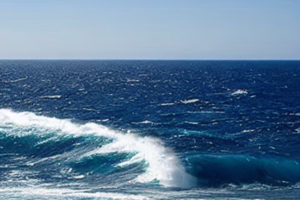

Record Ocean Temps Signal Crisis: Climate Change Accelerates
Record global ocean temperatures signal severe environmental stress. Scientists warn this warming trend, amplified by natural cycles, confirms accelerating climate change impacts on marine life.
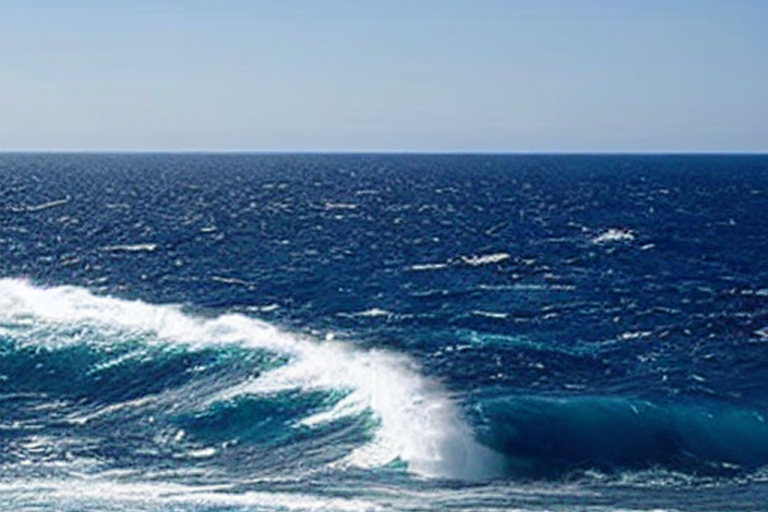
Blog Feature 2663128037
**Oceans Hit Record High Temperatures, Signaling Deep Climate Stress**
Global ocean temperatures have reached an unprecedented record high, scientists reported this week, signaling increasing environmental stress across marine ecosystems. The record warming, amplified by natural cycles like El Niño, underscores the accelerating impact of human-caused climate change on the world’s oceans.
Scientists monitor ocean heat content because the vast majority of excess heat trapped by greenhouse gases is absorbed by seawater. This absorption acts as a planetary thermostat, but the sustained, rising temperatures are profoundly altering the chemical and biological makeup of marine environments globally.
The recent spike in heat is attributed to a confluence of factors, including the powerful natural warming phase known as El Niño. However, researchers caution that these natural cycles are now superimposed upon a baseline of unprecedented human-induced warming.
“The ocean is essentially acting as a massive heat sink, absorbing the excess energy from the atmosphere,” explained Dr. Anya Sharma, an oceanographer at the Scripps Institution of Oceanography. “While natural cycles contribute to the variability, the underlying trend is relentlessly upward, pushing ecosystems past critical tipping points.”
The immediate consequence of this thermal stress is visible in marine life. High temperatures trigger widespread coral bleaching events, where corals expel the symbiotic algae that give them color and most of their food. This process can rapidly degrade entire reef systems, which are crucial habitats for countless species.
Furthermore, warming waters disrupt established migratory patterns for fish and marine mammals. Species that rely on predictable temperature gradients for feeding or breeding are being forced to move poleward, altering the delicate balance of regional fisheries.
Adding to the stress is ocean acidification, a direct chemical consequence of increased atmospheric carbon dioxide absorption. As the ocean absorbs CO2, the water’s pH drops, making it harder for shelled organisms, like oysters and corals, to build and maintain their calcium carbonate structures.
“We are witnessing a cascade of stressors—heat, acidity, and oxygen depletion—all hitting marine life simultaneously,” said Dr. Kenji Tanaka, a marine biologist specializing in tropical ecosystems. “No single species can adapt quickly enough to handle this combination of rapid environmental change.”
Scientists are urgently calling for global emissions reductions to stabilize ocean temperatures. Continued monitoring of heat content and acidity levels is essential for predicting the severity of future ecological collapses. The record temperatures serve as a stark, measurable warning of the critical state of the planet’s marine life.