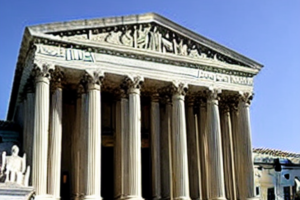

Supreme Court Rejects Trump’s Appeal in E. Jean Carroll Defamation Case
The US Supreme Court has twice rejected Donald Trump’s bid to overturn a $5 million payment order in the defamation case against writer E. Jean Carroll, who accused him of rape.
Blog Feature 2964585319
US Supreme Court Rejects Trump’s Appeal in E. Jean Carroll Defamation Case
The US Supreme Court has declined to hear Donald Trump’s appeal of a lower court’s order to pay $5 million in damages to writer E. Jean Carroll, who accused him of raping her in the 1990s. This decision marks the second time the high court has rejected Trump’s bid to overturn the jury verdict.
The defamation lawsuit stems from Trump’s denial of rape allegations made by Carroll in her 2019 book “What Do We Need Men For?: A New Path Toward the End of Sexism.” In a televised interview, Trump called Carroll’s claim “a total con job” and suggested that she was motivated by a desire for publicity. The jury ultimately found that Trump’s statements were defamatory and ordered him to pay $5 million in damages.
Carroll, a longtime columnist and advice writer, has been vocal about her allegations against Trump since coming forward with them in 2019. She alleges that the incident occurred in a Bergdorf Goodman dressing room in New York City in the mid-1990s. Trump has repeatedly denied the allegations, calling them “false” and “totally fake.”
The Supreme Court’s decision not to hear Trump’s appeal effectively ends his attempts to overturn the lower court’s ruling. In a statement, Carroll’s lawyer, Roberta Kaplan, praised the high court’s decision, saying, “We are thrilled that the Supreme Court has denied Mr. Trump’s request to delay justice for Ms. Carroll. Today’s decision confirms that Donald Trump is accountable for his lies and that women who come forward with allegations of rape will be heard.”
Trump’s lawyers had argued that the $5 million payment was excessive and that Trump should not have been held liable for defamatory statements made during a presidential campaign. However, experts say that the Supreme Court’s decision underscores the importance of holding public figures to account for their words.
Eugene Volokh, a law professor at UCLA, noted that “the Supreme Court’s refusal to hear this case suggests that it is committed to protecting the rights of women who come forward with allegations of rape and harassment.” Volokh added, “This decision sends an important message about the importance of accountability in public life.”
The impact of the Supreme Court’s decision on Trump’s personal and professional reputation remains to be seen. The ongoing debate about sexual assault and harassment also continues to unfold, with many advocates calling for greater accountability from powerful individuals.
As Carroll’s lawyer Roberta Kaplan noted, “This is a victory not just for Ms. Carroll, but for all women who have been silenced or intimidated by powerful men.”