
Trump Rolls Back Vaccine Recommendations Amid Health Expert Concerns
US President Donald Trump’s plan to roll back vaccine recommendations sparks worries among health experts and raises questions about public safety.
Blog Feature 1043167616
US President Donald Trump Announces Plans to Roll Back Recommended Vaccines Amid Health Expert Concerns
President Donald Trump announced on Wednesday that his administration plans to roll back some recommended vaccines in the United States, sparking widespread concerns among health experts. The proposed changes aim to revise vaccine guidelines and potentially remove certain recommended vaccines from the list.
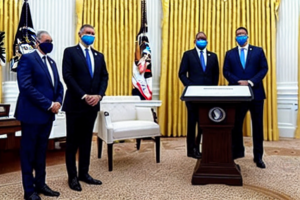
The move is based on claims made by Trump that some vaccines are not effective or even cause harm, which have been disputed by numerous scientific studies and health organizations. “I’m telling you, folks, it’s a big deal,” Trump said during a press conference at the White House. “We’re going to make America great again, and part of making America great is protecting our children from unnecessary vaccines.”
Health experts are sounding alarm bells over the potential implications of this decision on public health. Dr. Peter Hotez, a vaccine expert and professor at Baylor College of Medicine, expressed his concerns: “This move is not based on science or evidence; it’s driven by ideology and misinformation. If we start removing vaccines from the recommended list, we’ll be putting our children and communities at risk.”
Background context suggests that this decision is part of a broader trend of vaccine skepticism in the US. According to the Centers for Disease Control and Prevention (CDC), vaccination rates have been declining in recent years, particularly among parents who are hesitant about vaccinating their children due to concerns over safety and efficacy.
The proposed changes to vaccine guidelines would affect several recommended vaccines, including the HPV vaccine, which is designed to prevent human papillomavirus-related cancers. The CDC recommends that all children aged 11-12 receive two doses of the HPV vaccine. However, Trump’s administration claims that this vaccine may not be necessary for everyone.
What happens next is uncertain, but health experts are bracing themselves for a potential backlash against public health efforts. “We’re worried about the unintended consequences of this decision,” said Dr. Paul Offit, a pediatrician and director of the Vaccine Education Center at Children’s Hospital of Philadelphia. “If we start promoting vaccine misinformation, we’ll be creating an environment where people are less likely to trust science and more likely to engage in anti-vaccine behavior.”
The proposed changes are expected to face significant opposition from health experts, medical organizations, and advocacy groups, who argue that vaccines have been extensively tested for safety and efficacy. As the debate rages on, one thing is clear: the stakes are high, and public health hangs in the balance.
In response to criticism from health experts, Trump’s administration has emphasized its commitment to protecting American children while also promoting “choice” in vaccination decisions. However, many see this as a thinly veiled attempt to appease anti-vaccine groups and further polarize an already contentious issue.
The proposed changes are set to be reviewed by the CDC and potentially implemented in the coming months. Health experts urge parents to remain vigilant and continue following established vaccine guidelines until more information is available.