
US Fires on Ship in Iran Blockade Escalation
US Navy opens fire on vessel attempting to breach Iranian port blockade, sparking fears of regional conflict.
Blog Feature 2742412587
US Fires on Ship Breaking Its Blockade of Iran, Escalating Regional Tensions
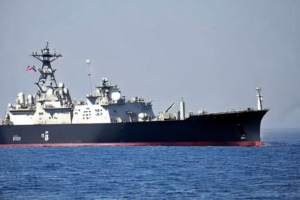
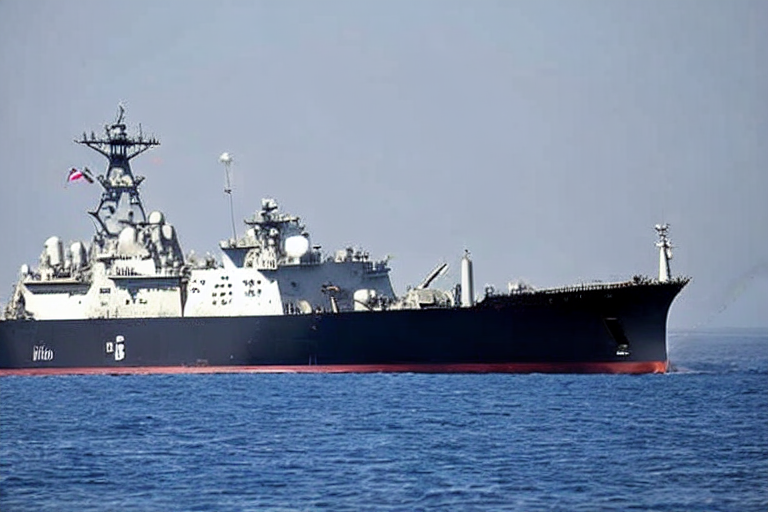
A US naval vessel fired warning shots at a cargo ship attempting to breach its maritime blockade of Iranian ports in the Persian Gulf on Tuesday, according to multiple sources and eyewitness accounts. The incident marks an escalation of tensions between the United States and Iran, which have been escalating since Washington imposed a comprehensive sanctions regime on Tehran last year.
The US has maintained a naval presence in the region for several months, enforcing its blockade of Iranian oil exports through inspections and warnings. However, this is the first reported instance of the US using force to protect its maritime interests. A spokesperson for the US Central Command confirmed that “shots were fired in self-defense” but declined to provide further details.
Captain James Reed, a retired US Navy officer who has sailed the Persian Gulf numerous times, said the incident highlights the risks involved in attempting to enforce a blockade of this magnitude. “You have multiple players with competing interests, and when you add the element of force, it can quickly escalate into something much larger,” he warned.
The cargo ship, identified as the MV Saviz, was reportedly carrying a cargo of industrial equipment and raw materials from India to the Iranian port city of Bandar Abbas. According to shipping experts, the vessel had been attempting to evade the US naval patrols by taking a circuitous route through the Strait of Hormuz.
A senior Iranian official, speaking on condition of anonymity, condemned the US actions as “flagrant aggression” and warned that Tehran would not tolerate such interference with its maritime trade. The official emphasized that Iran would seek to lodge a formal complaint with international authorities over the incident.
Meanwhile, experts are cautioning against reading too much into the incident, noting that it is still unclear what exactly transpired during the confrontation. “The US has made clear its intention to enforce the blockade through all necessary means, but this doesn’t necessarily mean we’re on the cusp of a wider conflict,” said Dr. Farzam Fallahian, an expert in Middle East geopolitics at the University of California.
As tensions continue to simmer between Washington and Tehran, the incident has sparked renewed debate over the long-term viability of the US blockade strategy. Some analysts argue that the policy is both economically counterproductive and strategically misguided, as it fails to address underlying grievances driving Iranian behavior.
In the coming days, international pressure on the situation is likely to grow, with diplomats from key nations, including European Union powers and Gulf Arab states, pressing for a de-escalation of tensions. The incident has also raised concerns about potential disruptions to global oil markets, which remain heavily dependent on Middle East exports.
The US government has not yet commented on its plans for the future operation of its naval blockade in the region. However, one senior official, speaking off the record, suggested that Washington would continue to assert its maritime rights while working towards a negotiated resolution with Iran over outstanding issues, including nuclear proliferation and regional security concerns.