
US-Iran Tensions Escalate as Trump Labels Talks ‘Semi-Negotiations’
US President Trump says talks with Iran are ‘semi-negotiating’ amid rising tensions over the Strait of Hormuz.
Blog Feature 195550257
US President Trump Says ‘Semi-Negotiating’ with Iran After Tehran Sets Demands to Reopen Strait of Hormuz
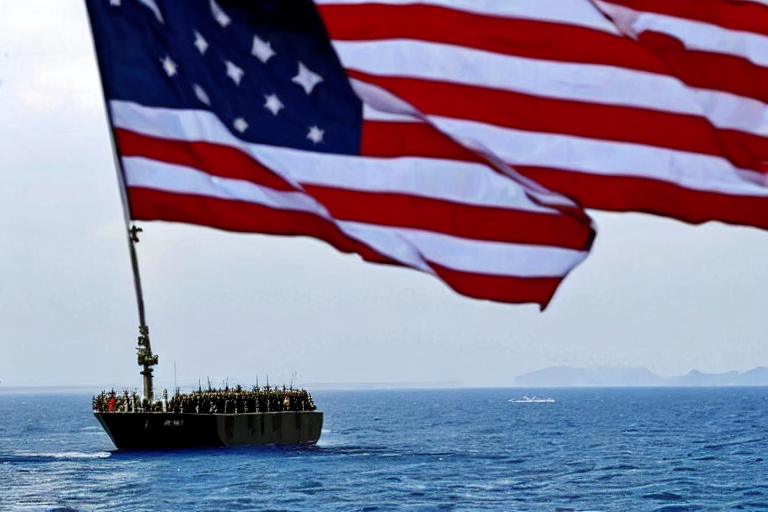
Washington D.C. – US President Donald Trump confirmed Tuesday that the United States is engaged in “semi-negotiations” with Iran regarding the reopening of the critical shipping route, the Strait of Hormuz, which was closed earlier this month by Iranian authorities.
The move comes after Tehran set a list of demands for the US to reopen the waterway, including the release of seven Iranian prisoners held in the United States and the removal of all sanctions imposed on Iran. The Strait of Hormuz is a crucial passage for global oil supplies, with over 20% of the world’s traded oil passing through it.
Tensions between the two countries have been escalating for months, with the US imposing new economic sanctions on Iran following Washington’s withdrawal from the Joint Comprehensive Plan of Action (JCPOA) in May. Iran responded by announcing its own set of measures to breach certain limits set by the JCPOA.
“We’re semi-negotiating with them,” Trump told reporters at a White House press conference, adding that “we’ll see what happens.” The President’s remarks were met with skepticism by experts, who pointed out that direct talks between US and Iranian officials have not taken place in months. Instead, communication has been limited to backchannel negotiations and intermediaries.
“This is just another example of the Trump administration’s tendency to downplay the severity of the crisis,” said Trita Parsi, executive vice president of the National Iranian American Council (NIAC). “The fact that Iran has set clear conditions for reopening the Strait of Hormuz should be a wake-up call for the White House to take this situation seriously.”
Parsi noted that while the US and Iran have been engaging in indirect talks through intermediaries such as Oman, these efforts are not yielding concrete results. “We need to see a more serious commitment from the US to engage in direct negotiations with Iran,” he said.
The Strait of Hormuz has been closed since January 5, when Iranian authorities announced they would no longer allow tankers to pass through the waterway until their demands were met. The move has sparked concerns among global traders and energy markets, who rely on the passage for oil exports from countries including Saudi Arabia, Iraq, and Kuwait.
The current standoff between the US and Iran is a result of months of escalating tensions following Washington’s withdrawal from the JCPOA in May. Since then, both sides have engaged in a cycle of retaliatory measures, with each side accusing the other of aggression.
As the situation remains volatile, analysts warn that any miscalculation could lead to catastrophic consequences for global security. “This is not just about the Strait of Hormuz; it’s about the future of US-Iran relations and the stability of the entire region,” said Karim Sadjadpour, a senior fellow at the Carnegie Endowment for International Peace.
The outcome of these negotiations remains uncertain, with both sides dug in on their positions. As tensions continue to escalate, one thing is clear: the world will be watching closely as this high-stakes game of diplomatic cat and mouse plays out.