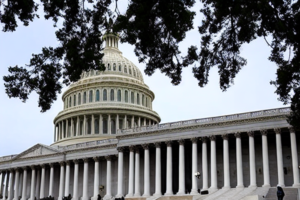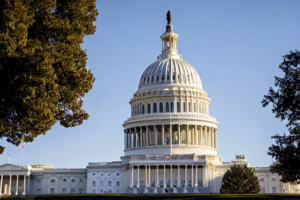

Senate Advances Stopgap Funding Deal to Avert Shutdown
US Senate approves temporary funding measure, but final passage still uncertain.
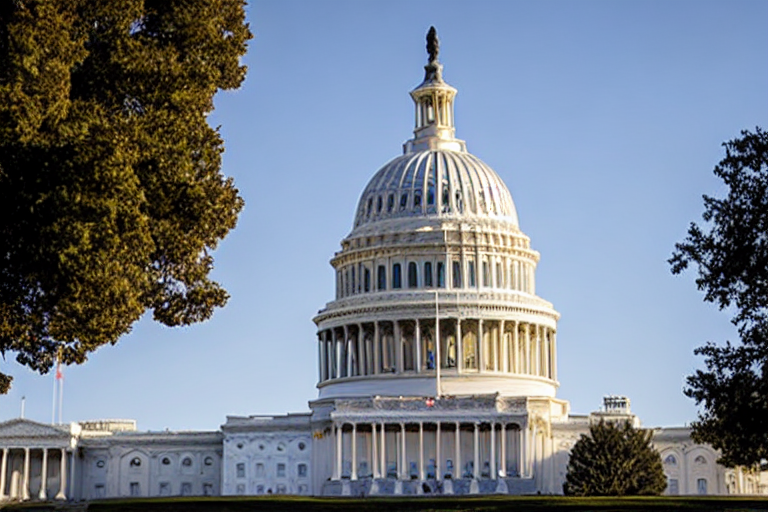
Blog Feature 2878009678
Senate Advances Stopgap Funding Deal to Prevent Government Shutdown
The US Senate voted overwhelmingly on Wednesday to advance a stopgap funding deal, which aims to prevent a government shutdown by providing temporary funding for key areas including defense and healthcare. The measure, which passed with bipartisan support, now faces several more hurdles before becoming law.
The stopgap funding deal is a temporary fix that would keep the government running until December 16, giving lawmakers more time to negotiate a comprehensive spending bill. Senate Majority Leader Mitch McConnell said in a statement after the vote that the deal “will prevent a shutdown and provide critical support for our troops and healthcare providers.”
The measure was passed with a vote of 86-9, indicating broad bipartisan support. However, some senators expressed concerns about the temporary nature of the funding. Senator Rand Paul (R-KY) said in a statement that he opposed the deal because it “does not address the underlying issues driving our national debt and does not provide sufficient oversight for federal spending.”
The stopgap funding deal includes $7 billion for defense spending, which will help to maintain troop readiness and support military operations. It also provides an additional $1.5 billion for community health centers, which serve low-income patients.
According to Senator Patty Murray (D-WA), the Chair of the Senate Budget Committee, the measure “will provide much-needed stability for healthcare providers and patients who rely on these critical services.” She added that it will also give lawmakers more time to work towards a comprehensive spending bill.
The stopgap funding deal now heads to the House of Representatives, where it is expected to face opposition from some conservative lawmakers. If passed in the House, the measure would then need to be signed into law by President Biden before December 3, when current government funding expires.
The prospect of a government shutdown has significant economic implications and affects millions of Americans. A shutdown could lead to delayed payments for federal employees, contractors, and recipients of social services. It could also disrupt critical government services such as food assistance programs, national parks, and law enforcement agencies.
In light of the stopgap funding deal’s passage in the Senate, lawmakers will now focus on negotiating a comprehensive spending bill that addresses some of the underlying issues driving the nation’s debt. According to Senator McConnell, “we will continue to work towards a final agreement that prioritizes our nation’s fiscal responsibility and ensures stability for our federal agencies.”